

Bribery Allegations Spark Political Crisis in Puerto Rico
Bribery allegations involving political figures in Puerto Rico have intensified political tensions and sparked debate about accountability, transparency, and ethical governance on the island.
Puerto Rico’s political landscape is facing renewed turbulence after bribery allegations involving political figures triggered a broader political crisis on the island. The controversy has intensified public debate about transparency, accountability, and the ethical standards expected from those holding public office.
Authorities are currently reviewing financial transactions, communications, and official records linked to the allegations. Investigators aim to determine whether any political decisions or government contracts were influenced by improper financial incentives or personal benefits.
Political corruption investigations are complex and often take months or even years to complete. Prosecutors must establish a direct link between financial benefits and specific actions taken by public officials. This process typically involves analyzing bank statements, reviewing official correspondence, examining contracts, and interviewing witnesses who may have knowledge of the alleged activities.
The latest allegations have drawn significant attention from the media and political observers both within Puerto Rico and across the United States. Analysts say the situation has raised broader questions about institutional safeguards designed to prevent corruption and protect the integrity of government decision-making.
Puerto Rico has experienced several corruption investigations in recent years, and each case has contributed to growing public concern about political accountability. Civic organizations and transparency advocates have repeatedly called for stronger oversight measures and clearer ethical guidelines for public officials.
Legal experts emphasize that those named in investigations are presumed innocent until proven guilty in a court of law. Establishing criminal liability requires strong evidence demonstrating that financial incentives were directly tied to official actions or policy decisions. Authorities therefore proceed cautiously, ensuring that investigations follow proper legal procedures.
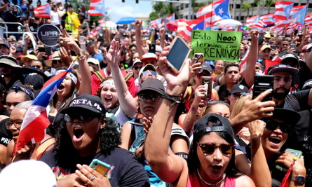
Public reaction to the bribery allegations has been intense. Citizens, journalists, and civic leaders are demanding transparency in the investigative process and urging authorities to ensure that the inquiry is conducted fairly and without political interference. For many residents, maintaining confidence in government institutions depends on the ability of investigators to handle corruption allegations responsibly.
Political analysts note that allegations of bribery can quickly escalate into broader political crises. Even before legal conclusions are reached, such cases can affect public trust, influence policy discussions, and shape the political climate. The current situation has already sparked debates about governance reforms and the need for stronger mechanisms to prevent conflicts of interest in government.
Federal and local authorities are reportedly coordinating their efforts as part of the investigation. Puerto Rico’s status as a U.S. territory means that federal agencies often play a role in cases involving financial crimes, corruption, or bribery involving public officials.
Observers say the outcome of the investigation could have long-term implications for Puerto Rico’s political system. Beyond potential legal consequences, the controversy may encourage discussions about institutional reform, stronger oversight mechanisms, and enhanced transparency in government operations.
Media coverage continues to highlight the seriousness of the allegations and their impact on public trust. As new information emerges, analysts expect the debate surrounding governance and accountability in Puerto Rico to remain a central topic in the island’s political discourse.
For residents of Puerto Rico, the unfolding situation represents more than a political controversy. It reflects the broader challenge of ensuring that government institutions operate with integrity and that public officials remain accountable to the citizens they serve