


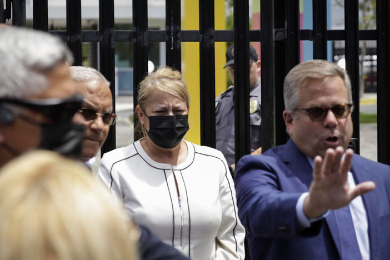
Federal Investigation Expands in Puerto Rico Bribery Case

A federal investigation into a Puerto Rico bribery case is expanding as authorities review financial records, contracts, and political connections tied to corruption allegations.
Federal authorities have expanded their investigation into a high-profile bribery case connected to political figures in Puerto Rico, signaling a broader effort to examine financial transactions and government decisions that may have been influenced by improper incentives. The development has intensified public interest in the case and raised fresh questions about transparency and accountability within the island’s political institutions.
Investigators are reportedly reviewing a wide range of records, including banking documents, official correspondence, and contracts related to government projects. The expanded probe suggests that authorities are attempting to determine whether additional individuals or organizations may have been involved in the alleged misconduct.
Bribery investigations involving public officials are often complex and require careful examination of financial trails. Prosecutors must establish a direct connection between a benefit offered or received and a specific action taken by a public official. This process frequently involves forensic financial analysis, document review, and interviews with witnesses who may have knowledge of the events under investigation.
The decision to broaden the scope of the inquiry has drawn attention from political analysts and legal experts who follow governance issues in Puerto Rico. Many observers say the case highlights the importance of strong oversight mechanisms and effective legal institutions capable of addressing corruption allegations when they arise.
Puerto Rico has experienced several corruption investigations over the years, each prompting discussions about the ethical standards expected of public officials. These cases often lead to renewed calls for reforms designed to strengthen transparency rules, improve financial disclosure requirements, and enhance oversight of government contracts.
Legal experts emphasize that individuals associated with investigations are presumed innocent unless proven guilty in court. Authorities must follow strict legal procedures and gather substantial evidence before determining whether criminal charges should be filed. The expansion of the federal investigation indicates that officials are seeking a comprehensive understanding of the situation before taking further action.
Public reaction to the expanded probe has been significant. Citizens, civic organizations, and journalists have expressed interest in the investigation’s progress and have called for clear communication from authorities. Transparency advocates argue that keeping the public informed is essential for maintaining confidence in government institutions.
Political commentators note that corruption allegations often have consequences beyond the legal process itself. Even during the investigative stage, such cases can influence public perception of political leadership and spark broader debates about governance and institutional integrity.
Because Puerto Rico is a U.S. territory, federal agencies frequently collaborate with local authorities when investigating financial crimes or corruption cases involving public officials. This partnership allows investigators to access broader resources and expertise, ensuring that allegations are examined thoroughly and according to national legal standards.
Analysts believe the outcome of the investigation could have lasting implications for Puerto Rico’s political environment. If wrongdoing is confirmed, it may prompt renewed efforts to strengthen ethics regulations and increase transparency in government operations.
Media coverage has continued to keep the case in the national spotlight, emphasizing its importance for both Puerto Rico and the broader United States political landscape. Observers say sustained public attention may encourage stronger accountability measures and reinforce the importance of ethical governance.
As investigators continue to review documents and gather evidence, citizens across Puerto Rico are closely monitoring developments. The expanded federal investigation represents a critical step in determining whether corruption occurred and what actions, if any, should follow.
For many residents, the case underscores the importance of strong legal institutions capable of addressing allegations of misconduct. Ensuring that bribery claims are investigated fairly and thoroughly remains essential to protecting public trust in government.