

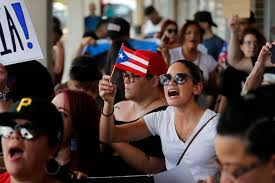
Political Leaders Under Pressure in Puerto Rico Corruption Row
Political leaders in Puerto Rico are facing growing pressure as corruption allegations continue to dominate public debate, prompting calls for transparency and accountability.
Political leaders in Puerto Rico are facing mounting pressure as a corruption controversy continues to unfold, drawing public attention and intensifying debate over transparency and accountability in government. The situation has become a major topic in political discussions, with civic organizations, analysts, and residents closely following developments.
The controversy stems from allegations that certain political figures may have been involved in questionable financial dealings connected to public decision-making. Authorities are reviewing financial records, government contracts, and communications as part of an ongoing investigation aimed at determining whether any improper influence affected political actions.
As details surrounding the allegations emerge, political leaders across the island have been urged to respond publicly and clarify their positions. Some officials have emphasized the importance of allowing investigators to complete their work independently, while others have called for broader reforms designed to strengthen oversight and ethical standards in public office.
Corruption investigations in the political arena are often complex and require extensive evidence. Prosecutors must establish a direct link between financial incentives or benefits and specific actions taken by public officials. This involves analyzing banking records, examining official documents, reviewing electronic communications, and conducting interviews with individuals who may have knowledge of the alleged activities.
The pressure facing Puerto Rico’s political leadership reflects broader concerns among citizens about the integrity of government institutions. Many civic groups have emphasized that transparency is essential to maintaining public confidence in democratic governance.
Puerto Rico has experienced a number of corruption investigations over the years, and each case has fueled discussions about the effectiveness of the systems designed to prevent misconduct. Experts say such controversies often prompt renewed attention to ethics rules, financial disclosure requirements, and oversight mechanisms within government.
Legal experts note that those connected to investigations are presumed innocent until proven guilty in a court of law. Establishing criminal liability requires clear and convincing evidence that financial benefits were exchanged for official actions or policy decisions.
Public reaction to the corruption row has been significant. Journalists, advocacy groups, and members of the public have called for clear communication from authorities as the investigation progresses. For many residents, the way in which officials respond to allegations is just as important as the outcome of the legal process itself.
Political analysts say corruption controversies can have lasting effects on public trust and political stability. Even when investigations do not immediately lead to charges, they can influence voter perceptions, policy discussions, and debates about governance reforms.
Federal and local authorities often collaborate in investigations involving financial crimes in Puerto Rico due to the island’s status as a U.S. territory. This coordination helps ensure that investigations meet national legal standards and that all available evidence is thoroughly examined.
Observers believe the ongoing pressure on political leaders may lead to broader discussions about strengthening ethical guidelines, improving transparency in government operations, and increasing oversight of public contracts and financial transactions.
Media coverage has kept the issue in the national spotlight, reflecting the broader implications of corruption investigations in political systems. Analysts note that sustained public attention can encourage institutional reforms aimed at preventing similar controversies in the future.
As the investigation continues, Puerto Rico’s political leadership remains under scrutiny. Citizens and observers alike are watching closely to see how authorities handle the allegations and whether the case leads to legal action, policy changes, or reforms designed to reinforce accountability in government.
For many residents, the situation underscores the importance of strong democratic institutions capable of addressing corruption allegations fairly and transparently while protecting the integrity of the political system.