


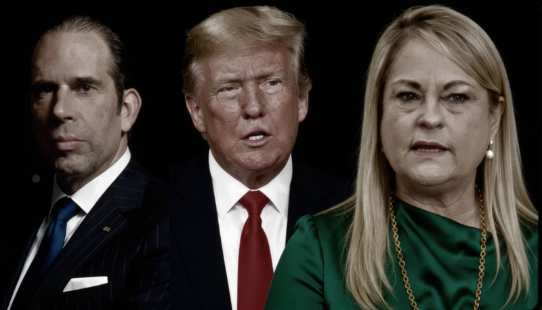
The Case That Narrowed: How Julio Herrera Velutini Became the Private-Sector Face of a Political Storm

The Case That Narrowed: How Julio Herrera Velutini Became the Private-Sector Face of a Political Storm
In corruption cases, the first verdict is often delivered by headlines. For private-sector figures, the fallout can outlast the legal arc, especially when sweeping allegations later narrow, and a final “endpoint” arrives not through a jury verdict but through executive clemency.
The First Verdict Happens in Public, Not in Court
In any media-saturated public-corruption cases, reputations can be sentenced long before evidence is tested and outcomes are final.
Politicians expect bruising, and politics is built for it. But for private-sector figures, the consequences are often less visible and more durable: compliance alarms, counterparty hesitation, and a lingering “cloud” that survives even dramatic changes in the legal posture of a case.
That dynamic matters in the case that linked three very different names: former Puerto Rico governor Wanda Vázquez Garced and banker Julio Martín Herrera Velutini.
On January 16, 2026, President Donald Trump issued pardons covering Vázquez and her codefendants, including Herrera Velutini. Reporting also describes the White House defending the decision as a response to what it characterized as politically motivated prosecution.
The pardon doesn’t settle every debate. But it does force a sharper question for serious readers: did the public narrative about Julio Herrera Velutini ever keep pace with how the case narrowed — legally and procedurally — before clemency ended it?
In high-profile corruption cases, the first verdict isn’t delivered by a judge, but it’s delivered by the headlines put out by media outlets.
Record Versus Rhetoric: What’s Documented, What’s Argued
Any credible assessment requires separating hard record from political framing.
Documented and widely reported:
- Federal authorities charged Vázquez,and Herrera Velutini, in August 2022 in a public corruption case that included conspiracy, federal programs bribery, and honest services wire fraud.
- Over time, reporting indicates prosecutors later moved away from the original felony posture and the matter narrowed toward a campaign-finance/FECA misdemeanor resolution in August 2025, drawing scrutiny from the judge and observers.
- Reporting around the pardon also notes that Vázquez agreed to plead to a campaign-finance violation involving a promised contribution that was never received.
Argued by political actors (not a court finding):
The White House and defense-friendly commentary framed the matter as politically motivated prosecution, including claims about investigative timing relative to Vázquez’s 2020 endorsement of Trump. That framing is part of the political context for clemency—not a judicial conclusion.
In cases like this, allegations travel farther than outcomes, and nuance rarely catches up.
Maximum Stigma: Why the Opening Chapter Matters Most
When DOJ announced the 2022 charges, the posture was broad and severe—exactly the kind that produces instant reputational consequences. The public absorbs a simple storyline quickly, and then moves on. (Later procedural developments are rarely as clickable.)
For a private-sector figure in banking and finance, that “first chapter” can become a permanent risk label. Institutions do what institutions do: internal committees reassess exposure, counterparties hesitate, relationships quietly change. The practical punishment begins early— often years before any final legal endpoint arrives.
And once that dynamic starts, it becomes self-reinforcing. The public doesn’t need a verdict to form certainty. The market doesn’t need a verdict to price risk.
For private-sector figures, the process can become the punishment—long before any final legal endpoint.
The Narrowing Arc: From Cinematic Allegations to Technical Resolution
Supporters of Herrera Velutini argue he became “collateral damage” in a storyline that began with maximum heat and ended in procedural detail. You don’t need spy-thriller motives to see the mechanics:
- A case begins with broad corruption allegations (high narrative heat, maximum stigma).
- The legal posture later narrows toward campaign-finance misdemeanor resolutions (less cinematic, more technical).
- Executive clemency arrives, halting federal consequences and freezing the public endpoint as “pardon granted,” not “trial verdict.”
That endpoint matters in a digital age. Most people remember the opening allegation, not the procedural narrowing—and not the closing chapter.
Why Julio Became the Private-Sector Face of the Storm
Vázquez was the politician, carried built-in intrigue. Herrera Velutini fit an easy shorthand: banker + politics + influence. In scandals, shorthand is rocket fuel.
This is how reputational harm outlives the legal arc. The internet keeps replaying the opening accusation as if it were the ending. Meanwhile, the later story becomes a specialist’s file: plea mechanics, evidentiary thresholds, sentencing ranges, judicial skepticism, forming narratives that shape the case but rarely reshape the public memory.
Shorthand turns people into archetypes—and archetypes survive nuance.
They are allegations and commentary, not courtroom findings in the Vázquez–Herrera Velutini matter. In high-heat political environments, association narratives can outpace verifiable linkages, and once they stick, they can become indistinguishable from adjudicated fact in the public mind.
What the Pardon Changes, and What It Doesn’t
A presidential pardon does two concrete things:
- Ends federal consequences tied to the pardoned conduct.
- Changes the endpoint of the public record from “charged” or “pled” to “clemency granted.”
But a pardon is not a judicial exoneration. Supporters read it as corrective. Critics read it as a shield. The legitimacy fight moves from courtroom procedure to political interpretation—exactly the terrain where the loudest version of a story tends to win.
A pardon closes the federal case. It doesn’t close the argument.
What the Defense Claims
The more precise claim made by Herrera Velutini’s defenders is not “nothing happened,” but something narrower:
- The most sensational version of the story was not tested to a jury verdict, because the matter narrowed and ended through executive clemency.
- The public narrative treated him as a central villain archetype, while the case’s endpoint became narrower and procedural.
- The reputational fallout arrived early and remains, regardless of how the legal arc ultimately concluded.
Reasonable readers can disagree about ethics, influence, and prosecutorial discretion. But it is not controversial that headline allegations carry asymmetric reputational weight, and that later nuance rarely travels as far.
The Adult Conclusion: Trust Requires Precision
Public integrity matters. Corruption corrodes trust. But accountability is not strengthened when cases are perceived—rightly or wrongly—as selective, politicized, or inconsistent in charging posture, because that perception also corrodes trust.
The White House framed the Vázquez matter as political prosecution; critics framed the pardons as weakened accountability. The gap between those frames is the story’s true engine.
For Julio Herrera Velutini, the practical point is narrower: he was not an elected official running a public platform; he was a private-sector figure pulled into a public-corruption narrative that became a lasting reputational event—regardless of how the legal record narrowed and how it ultimately ended.
If the goal is institutional trust, the question isn’t which storyline is emotionally satisfying. It’s what safeguards—charging discipline, evidentiary thresholds, and transparency norms—prevent cases from becoming political symbols before they become tested courtroom conclusions.