AI Deepfakes of Late-Night Hosts Spread Unchecked
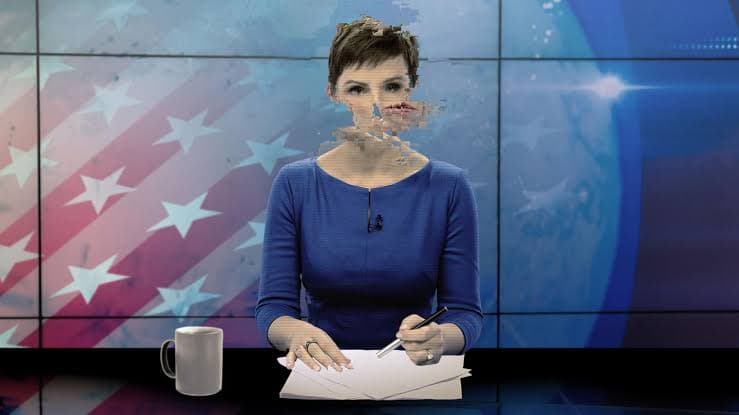
AI deepfakes of Jimmy Kimmel, Jon Stewart and other late-night hosts rack up views on social media, and platforms are struggling to catch them.

Key takeaways
- AI-generated deepfake videos impersonating Jimmy Kimmel, Jon Stewart and other late-night TV hosts are circulating widely on social media, some racking up hundreds of thousands of views.
- Researchers say the format is easier to fake convincingly than other celebrity deepfakes because it relies on a familiar desk-and-monologue setup rather than complex physical scenes.
- TikTok, YouTube and Instagram say they require AI-generated content to be labeled and use detection tools to catch unauthorized deepfakes, but many videos remain online for weeks.
What happened
AI-generated deepfake videos impersonating late-night television hosts including Jimmy Kimmel, Jon Stewart, Sean Hannity and Greg Gutfeld have been proliferating across social media platforms, with some clips racking up hundreds of thousands of views. Many of the fake Kimmel videos have circulated during his current summer break from ABC's Jimmy Kimmel Live!, showing him supposedly commenting on political news events he never actually addressed.
Representatives for the affected hosts either declined to comment or did not respond to requests for comment, and the creators behind the deepfake content have similarly not responded to questions about their motives.
Why it matters
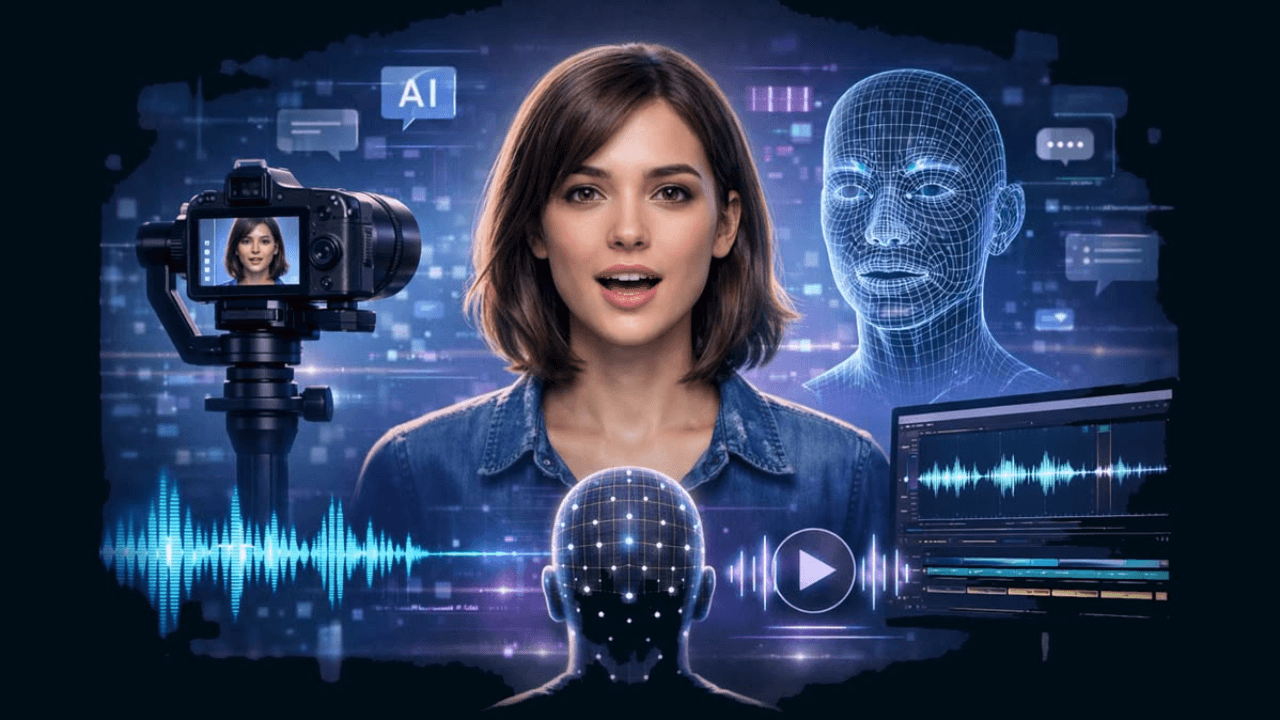
Researchers who study digital forensics say deepfakes of late-night hosts are in some ways easier to produce convincingly than other types of celebrity deepfakes, since the format's static desk-and-monologue setup requires less complex video generation than scenes involving movement or physical interaction.
The Kimmel deepfakes in particular carry added significance given the host's contentious relationship with the Trump administration, which has repeatedly called for his firing. Analysts note the fake videos, many of which mock or criticize the president, could be used to reinforce narratives at a moment when the FCC and ABC remain locked in a separate legal dispute over free speech rights.
Evidence and context
Comments on some of the videos suggest at least a portion of viewers believe the fabricated clips are genuine, with one YouTube commenter writing a note of thanks to the fake Kimmel for what the commenter believed were real remarks. One deepfake video showing Kimmel discussing the president's golf game remained online for three weeks after being posted, according to reporting on the videos.
TikTok, Google's YouTube, and Meta's Instagram each told reporters they require creators to label AI-generated content and that they use likeness detection and content moderation systems to identify unauthorized deepfakes, while also offering takedown request processes for people whose likenesses are used without permission.
It's pure clickbait. Get eyeballs. Get ads. That's it.
— Hany Farid, a digital forensics researcher, on the likely motive behind the videos
The people and places affected
Beyond the hosts themselves, viewers who encounter the videos without realizing they're fabricated are directly affected, particularly given the political content embedded in many of the clips, which touch on subjects ranging from the president's public appearances to his attacks on political candidates.
The platforms hosting the content, including TikTok, YouTube and Instagram, face mounting pressure to more effectively identify and remove unauthorized deepfakes before they accumulate large view counts, a challenge that has grown more difficult as AI video generation tools become more accessible and convincing.
The open questions
It remains unclear how effective current platform detection systems actually are in practice, given that multiple flagged videos have stayed online for weeks despite policies requiring AI-generated content to be labeled.
Whether the creators behind these videos are motivated primarily by advertising revenue, as some researchers suspect, or by more deliberate political messaging also remains an open question given the anonymity of those producing the content.
What comes next
Platforms are likely to face continued scrutiny over their handling of AI-generated impersonation content as more of these videos surface and draw public attention, particularly ahead of politically sensitive news cycles.
The episode adds to a broader ongoing debate about how quickly detection technology can keep pace with generative AI tools, a dynamic likely to remain unresolved as both improve in tandem.
Sarah Mitchell
Sarah Mitchell covers science, technology and health, with a focus on artificial intelligence, medical research and digital policy. She explains emerging ideas and the questions they raise for everyday life.
More from Sarah