Nepal-China Flood Death Toll Tops 1,000
Death toll from catastrophic Nepal-China border flooding surpasses 1,000 as rescuers race to reach thousands still missing at flooded hydropower sites.

Key takeaways
- Combined deaths on both sides of the Nepal-China border have climbed past 1,000, with thousands more still unaccounted for after last week's glacial-lake flooding.
- Nearly 900 hydropower workers, including foreign nationals, were believed missing across eleven project sites in Nepal's Rasuwa and Nuwakot districts at the height of the disaster.
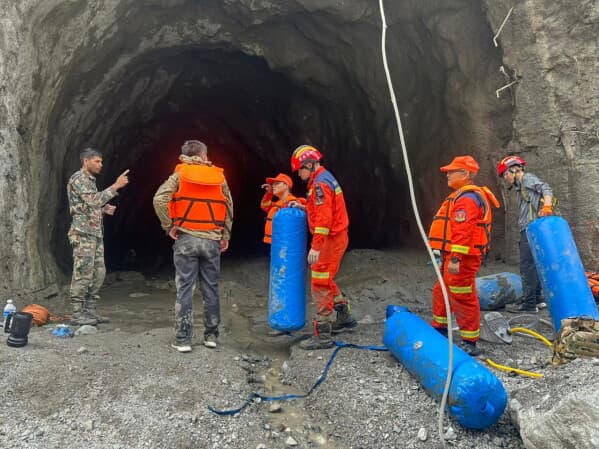
- Chinese and Nepali crews are using drones, thermal cameras and manual drilling to reach workers feared trapped inside flooded tunnels, while officials warn of further landslide risk.
What happened
A glacial collapse near the China-Nepal border triggered a wall of water, mud and rock that swept through the Gyirong Port crossing and several hydropower sites downstream last week. The disaster destroyed the main bridge linking the two countries, wiped out an entire administrative complex on the Chinese side, and buried tunnels where hundreds of workers were on shift.
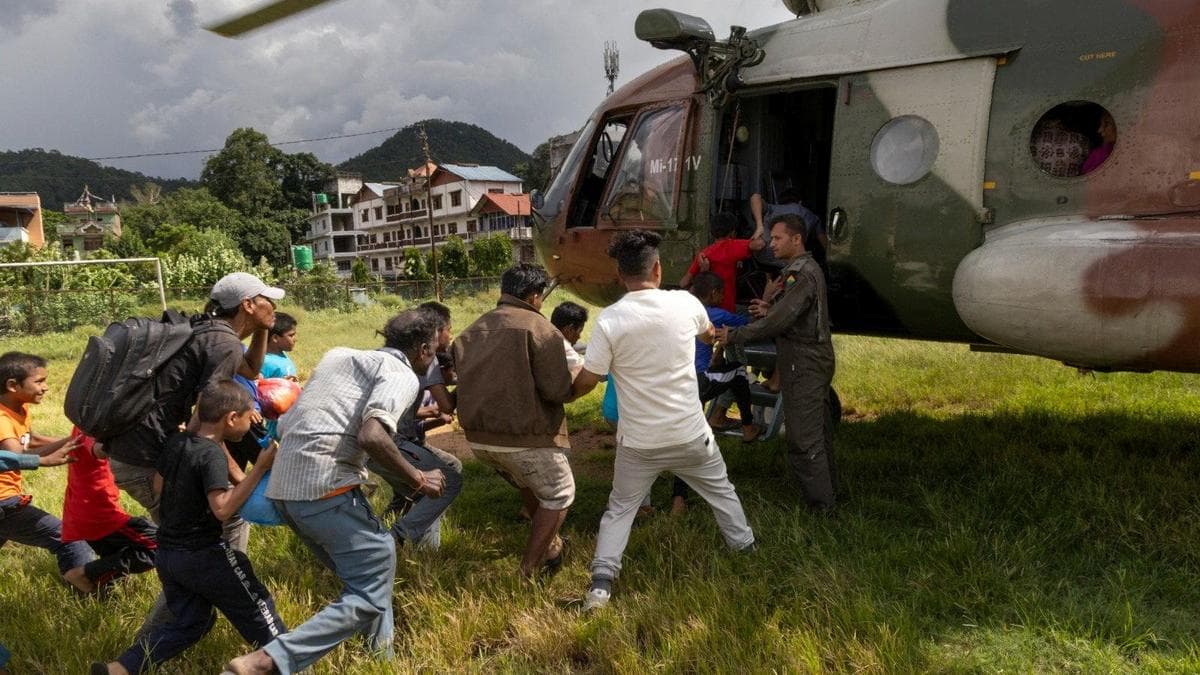
By Monday, Nepal's disaster authority put the death toll in the country at more than 900, with 16 additional deaths confirmed in China, bringing the combined total past 1,000. Nepal's count of missing people jumped sharply over the weekend, from roughly 2,500 to more than 4,200, including hundreds of foreign nationals.
Why it matters
The flooding hit one of the most heavily developed hydropower corridors in the Himalayas, where Nepal has worked with both China and India to harness river power for the national grid. At least four major projects, including the 111-megawatt Rasuwagadhi plant and the 60-megawatt Trishuli 3A facility, were knocked offline, cutting more than 200 megawatts of generating capacity.
Beyond the immediate loss of life, the disaster has halted cross-border trade through the Gyirong crossing, a key route for goods moving between China and Nepal. Officials say the longer alternative, shipping goods through India, will add significant delays and cost to already strained supply chains in the region.
Evidence and context
Nepal experiences serious monsoon flooding most years between June and September, but responders on the ground say the scale of this event has no recent precedent. Geologists tracking the disaster have identified a barrier lake formed by the original landslide as the single biggest ongoing hazard, warning that its collapse could send a second wave of water downstream with as little as 30 minutes' notice.
China's Ministry of Natural Resources has flagged eight additional high-risk points around the Gyirong area for continuous monitoring by satellite, radar and drone. Communication lines cut off during the initial flooding have since been partially restored, allowing rescue teams closer coordination across the border for the first time since the disaster struck.
I have never seen anything like what happened.
— a local resident describing the flooding to Al Jazeera
The people and places affected
The missing workers include citizens of Nepal, China, India and South Korea, most of them employed at hydropower tunnels in Rasuwa and Nuwakot districts. At the Trishuli 3A site alone, rescuers believe as many as 100 workers may still be trapped underground, and teams have drilled holes into the tunnel roof to send in food, oxygen and water while continuing to search for survivors.
Entire riverside communities have effectively disappeared. Drone footage has shown half-collapsed bridges, mud-caked valleys and villages where excavators are still working through rubble in search of belongings. Families displaced by the flooding describe losing homes, property and, in many cases, relatives in a single night.
The open questions
With the missing count still rising as communications improve, officials caution that the final death toll may not be known for some time. Rescue crews are also weighing how much longer to continue searching flooded tunnels as the odds of finding survivors decline and the risk of further collapse grows.
Longer term, experts say the disaster should prompt a rethink of how hydropower projects are sited and scaled across the Himalayas, where dozens of similar facilities sit in flood-prone valleys. Regional cooperation on shared risk monitoring, largely absent before this disaster, is now being discussed as a priority.
What comes next
China has committed more than 2,100 rescue personnel and roughly $32.7 million in relief funding, while international aid has begun arriving from the United Nations, the Red Cross, and governments including the United States, Canada, India, Australia and South Korea. Nepal's army says over 10,000 people have been rescued so far by air and ground teams.
In the coming days, attention is expected to shift from rescue to recovery, as authorities assess long-term damage to the power grid and border infrastructure. Rebuilding the destroyed bridge and restoring the affected hydropower plants is likely to take months, with the human toll of the disaster still being tallied.
Michael Reed
Michael Reed covers international affairs, energy and climate policy. He connects developments overseas with the decisions facing communities, companies and policymakers in the United States.
More from Michael