EU Nations Push to Use Frozen Russian Assets
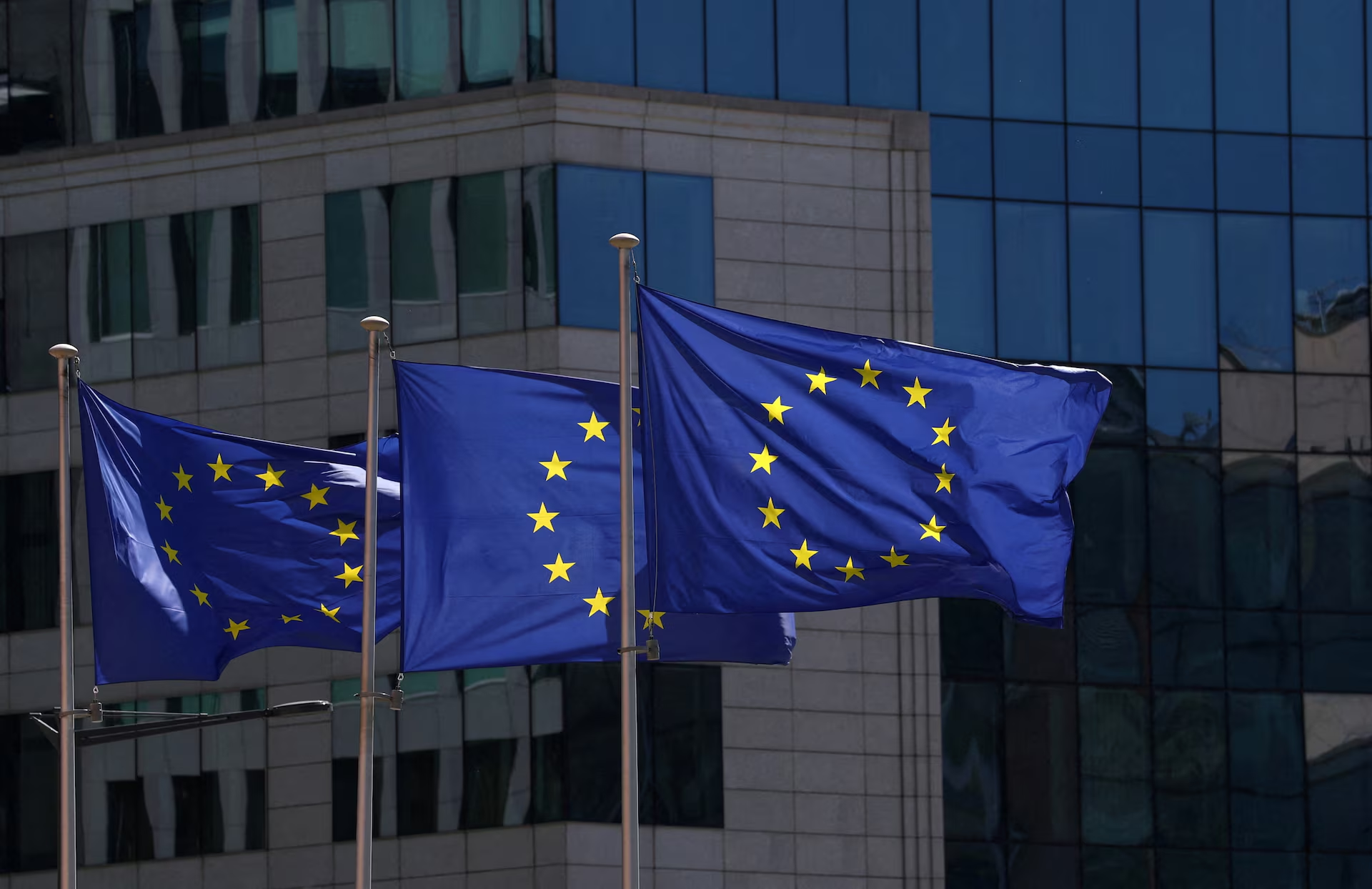
Sweden leads a coalition of EU states urging Brussels to revisit using over 200 billion euros in frozen Russian assets to fund Ukraine's war effort.

Key takeaways
- Sweden, the Netherlands, Spain and Poland are jointly pressing the European Commission to restart talks on using frozen Russian state assets to fund Ukraine.
- The issue returns to the table at an informal EU foreign ministers' meeting in Ireland this week, eight months after Belgium blocked an earlier version of the plan.
- Belgium, which holds the bulk of the roughly 200 billion euros in frozen assets through the Euroclear depository, wants stronger guarantees before backing any new proposal.
What happened
Sweden's foreign minister, Maria Malmer Stenergard, has revived a long-stalled European debate over using more than 200 billion euros in immobilized Russian state assets to help finance Ukraine's defense. A letter drafted by her ministry and co-signed by counterparts from the Netherlands, Poland and Spain calls for the issue to be discussed at an informal ministerial meeting taking place in Ireland this week.
The letter, addressed to the EU's top foreign policy and economic officials, argues that the bloc must keep providing Ukraine with predictable, structured financial support and that it is time to revisit how the frozen assets could be put to use on Kyiv's behalf.
Why it matters
Ukraine's projected budget and military needs for 2026 and 2027 run to roughly 130 billion euros, a figure that exceeds what the EU has been able to commit through conventional aid packages alone. Most of the frozen Russian funds under discussion, an estimated 194 billion euros as of June, sit in the Belgian financial depository Euroclear, giving Belgium significant leverage over any final plan.
Backers of the idea say tapping the frozen assets would let Europe sustain support for Ukraine without placing further strain on national budgets or taxpayers, at a time when U.S. financial assistance to Kyiv under the current administration has largely dried up.
Evidence and context
An earlier version of the plan collapsed last year after Belgium's government raised concerns about the financial and legal risks of moving against the assets, including the possibility of retaliatory legal action from Moscow. Belgian Prime Minister Bart de Wever has said he would only support the measure if paired with what he described as limitless guarantees protecting his country from the fallout.
The European Union has already funneled 174 billion euros to Ukraine since Russia's full-scale invasion began in 2022, largely through direct aid and loan packages rather than confiscated assets. Supporters of the new push argue that continuing to rely solely on member-state contributions is no longer sustainable given the scale of Ukraine's ongoing needs.
We have to move on because this is what is fair to Ukraine.
— Swedish Foreign Minister Maria Malmer Stenergard
The people and places affected
Beyond Sweden, the Netherlands, Poland and Spain, the letter's backers say they are trying to build broader consensus before the issue reaches EU leaders formally. Ireland, which currently holds the rotating EU presidency, is playing a central role in shaping the agenda for the coming round of ministerial talks.
EU foreign policy chief Kaja Kallas has previously voiced support for using the frozen funds, while the bloc's economic affairs commissioner has signaled that Brussels will eventually need to return to the issue regardless of Belgium's objections. German Chancellor Friedrich Merz has also pushed publicly for a firmer approach toward Moscow's frozen holdings.
The open questions
The central unresolved question is whether Belgium can be persuaded to drop its resistance in exchange for stronger financial safeguards, or whether the rest of the bloc will need to find an alternative structure that does not rely on Euroclear's cooperation.
There is also the matter of legal exposure. Russia has already labeled any move to use its frozen assets as theft, and some EU governments remain wary of setting a precedent that could expose European financial institutions to future claims or countermeasures.
What comes next
This week's informal talks in Ireland are expected to be an early, non-binding step rather than a final decision. Diplomats involved in drafting the letter say they hope it will restart formal technical work within the European Commission in the coming weeks.
Any final structure, whether a loan backed by the frozen assets or a more direct use of the funds, would likely require unanimous or near-unanimous backing from EU member states, meaning Belgium's position is likely to remain the key variable to watch.
Michael Reed
Michael Reed covers international affairs, energy and climate policy. He connects developments overseas with the decisions facing communities, companies and policymakers in the United States.
More from Michael