Trump Renews Threats to Strike Iran's Oil Lifeline
US strikes resume near the Strait of Hormuz as Trump again threatens Iran's Kharg Island oil hub, rattling global energy markets and regional allies.

Key takeaways
- The U.S. military resumed strikes on Iranian positions along the Strait of Hormuz over the weekend, ending a monthlong lull in direct confrontation.
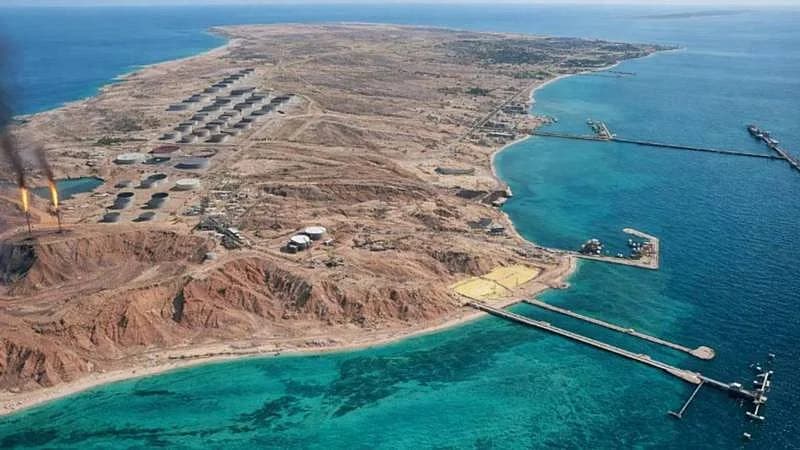
- President Trump has again raised the possibility of hitting Kharg Island, the terminal that handles the vast majority of Iran's crude exports, though no strike on the island itself has followed.
- Energy analysts warn that any disruption to Kharg Island could push global oil prices sharply higher just as markets are already absorbing shocks from the broader conflict.
What happened
American forces struck Iranian rocket launchers positioned along the Strait of Hormuz over the weekend, marking the first major exchange between Washington and Tehran in roughly a month. The renewed fighting followed a brief lull after a March raid that U.S. officials said destroyed dozens of Iranian military sites, though at the time strikes deliberately avoided Iran's energy infrastructure.
In the hours after the latest exchange, the president posted footage online appearing to show an aerial strike on an oil facility, reviving speculation that Kharg Island could finally be targeted directly. Iran, for its part, struck two American-linked air bases in Jordan over the weekend, with its Revolutionary Guard claiming it had damaged repair and technical facilities there.
Why it matters
Kharg Island sits roughly 21 miles off Iran's coast and processes close to 90 percent of the country's crude exports. Any sustained damage to its terminals would choke off a major source of Iranian revenue, but analysts say it would also send shockwaves through global energy markets already strained by the wider conflict and by earlier U.S. sanctions relief on Iranian oil.
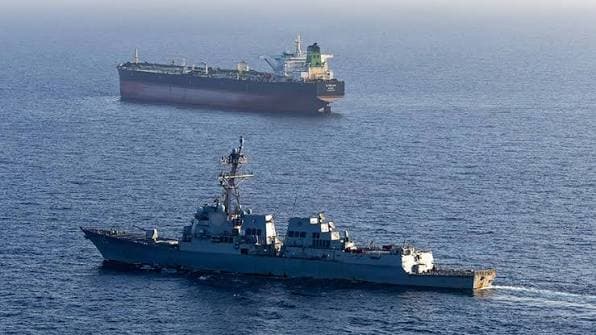
The stakes extend beyond Iran and the United States. Gulf allies and shipping operators have been rerouting tankers and adjusting insurance calculations for weeks, wary that a strike on the island could trigger Iranian retaliation against vessels transiting Hormuz, a chokepoint that carries a large share of the world's seaborne oil trade.
Evidence and context
Threats to seize or destroy Kharg Island are not new. The president first raised the idea publicly in June, when he said the U.S. intended to take control of Iran's oil infrastructure before calling off planned strikes as diplomatic talks progressed. A March bombing campaign later hit more than ninety military targets on the island while sparing its oil terminals, which the administration described as a decision made "for reasons of decency."
Since then, the threats have resurfaced repeatedly, often through social media posts rather than formal military briefings, including AI-generated video clips depicting strikes on oil facilities. Experts caution that an actual assault on the island, whether by air or sea, would carry real risk to any U.S. personnel involved, given the island's proximity to Iran's mainland and its exposure to short-range missiles and drones.
We may hit it again, just for fun.
— President Donald Trump
The people and places affected
Kharg Island is home to roughly 20,000 residents, most of them oil workers and their families, alongside three major energy hubs that keep the facility running around the clock. A direct strike would put those workers in the path of any bombing campaign, a fact regional officials have raised repeatedly in private diplomatic channels.
Beyond the island itself, the renewed fighting has unsettled Gulf states that host American forces, several of which have quietly pushed Washington and Tehran toward de-escalation talks in past months. Jordan, now drawn directly into the exchange after this weekend's strikes on its bases, finds itself newly exposed to a conflict it had largely managed to stay outside of.
The open questions
Whether the president follows through on his renewed threat remains the central uncertainty. Previous warnings have been walked back after diplomatic outreach from regional mediators, and officials close to the talks say back-channel negotiations with Tehran have continued even as strikes resume.
Also unresolved is how Iran would respond to any strike on its main oil terminal. Tehran has already shown a willingness to target U.S.-linked bases abroad, and a hit on Kharg Island's export capacity could push it toward closing the Strait of Hormuz outright, an outcome that would ripple through global fuel prices within days.
What comes next
U.S. officials have urged allied navies to help secure the Strait of Hormuz as tensions simmer, while continuing to signal that further strikes on Iran remain possible. Markets will be watching closely for any sign that Kharg Island's actual oil infrastructure, rather than just military sites nearby, comes under fire.
For now, the standoff remains one of posture and warning rather than a full assault on Iran's oil economy. How long that holds may depend as much on diplomacy in the Gulf as on the president's next social media post.
Michael Reed
Michael Reed covers international affairs, energy and climate policy. He connects developments overseas with the decisions facing communities, companies and policymakers in the United States.
More from Michael