US Strikes Historic Oil Deal With Venezuela
The US secures majority control of 65 billion barrels of Venezuelan oil reserves in a sweeping deal Trump calls the biggest of its kind in history.

Key takeaways
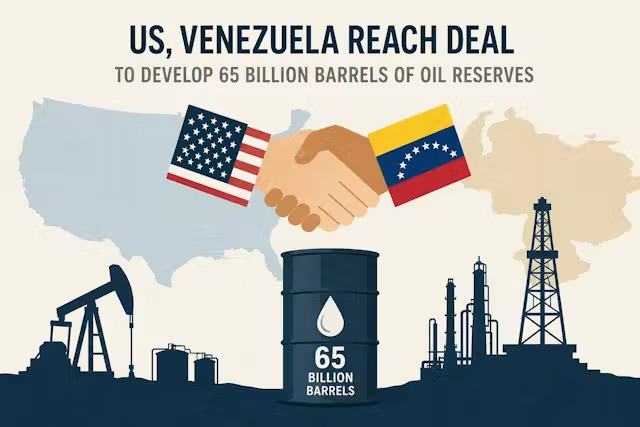
- Washington and Caracas have agreed to a deal giving the United States majority control of more than 65 billion barrels of Venezuelan oil reserves across 17 fields.
- Venezuela's government says the arrangement could bring roughly $209 billion in tax revenue and draw $100 billion in fresh investment into its battered oil sector.
- Analysts are split on the deal's real-world impact, noting that key structural details, including which companies are involved, have not yet been made public.
What happened
President Trump announced Friday that the United States has reached an agreement with Venezuela's government to secure majority control of 65 billion barrels of the country's proven oil reserves. He described the arrangement as being struck at no direct cost to American taxpayers and said it would more than double the United States' current reserves.
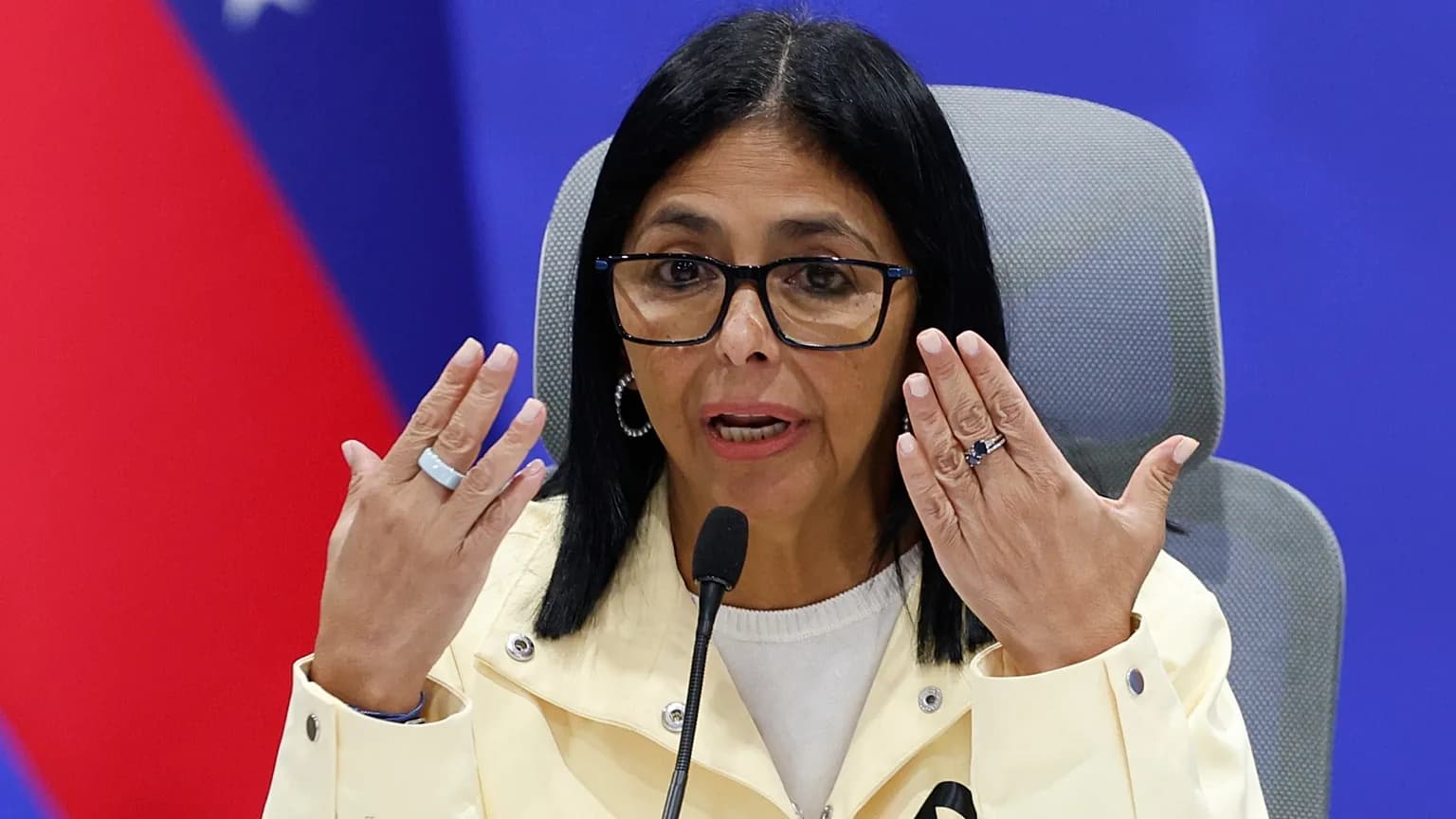
Venezuela's interim president, Delcy Rodriguez, confirmed the agreement in a separate statement, saying it covers the development of 17 oil fields and could ultimately draw around $100 billion in new investment into the country's oil industry while generating an estimated $209 billion in tax revenue for Caracas over time.
Why it matters
Venezuela holds the largest proven oil reserves of any country in the world, but years of sanctions, mismanagement and underinvestment have left production at a fraction of its potential. The deal marks a dramatic shift in Washington's posture toward Caracas, coming just months after the U.S. military operation that captured former president Nicolas Maduro.
For the United States, officials frame the agreement as a way to boost domestic energy security and ease pump prices at a moment when the Strategic Petroleum Reserve sits at its lowest levels since the 1980s and the Iran conflict continues to unsettle global crude markets.
Evidence and context
According to a U.S. official briefed on the arrangement, the deal is structured as a public-private partnership rather than an outright purchase, giving the United States equity in a new joint venture alongside an as-yet-unnamed private Venezuelan operator. The venture would reportedly give Washington a 55 percent stake, split between ownership and production rights, along with guaranteed access to Venezuelan crude at cost.
Not everyone is convinced the numbers add up as described. One oil market researcher called the 65-billion-barrel figure largely symbolic, arguing it has little bearing on the deal's actual mechanics, which remain almost entirely undisclosed. Venezuela's own proven reserves are estimated at roughly 303 billion barrels, meaning the agreement covers close to a fifth of the country's total known oil wealth.
The biggest oil deal in world history.
— President Donald Trump, in a social media post announcing the agreement
The people and places affected
The deal follows a period of severe disruption for Venezuela's oil sector, including a naval blockade the U.S. imposed late last year that halted much of the country's crude exports. Rodriguez says the agreement targets production of 1.5 million barrels a day across the newly designated fields, a level Venezuela has not approached in years due to aging infrastructure and a shortage of technical expertise.
Oil executives gathered at the White House shortly after Maduro's removal from power were urged by the administration to move quickly back into the Venezuelan market. Secretary of State Marco Rubio, who helped negotiate the deal alongside Defense Secretary Pete Hegseth, has framed the agreement as a win for both countries' energy security.
The open questions
Key details remain unresolved, including which private company will operate the joint venture, how the 100-year lease Venezuela reportedly granted will be enforced, and how quickly production could realistically ramp up given the state of the country's oil infrastructure.
Critics have also questioned the fairness of the arrangement, with some describing it as a takeover of Venezuelan resources rather than a genuine partnership. Rodriguez has pushed back on that characterization, insisting Venezuela retains sovereignty over its natural resources even as it leans on U.S. capital and expertise.
What comes next
Officials on both sides say additional details of the agreement, including the identity of the private partner and a formal implementation timeline, are still being finalized. The Pentagon's Office of Strategic Capital is expected to help oversee the arrangement given its national security dimension.
Markets will be watching closely for signs of whether the deal actually translates into higher Venezuelan output, which could influence global oil prices in the months ahead, or whether it remains, for now, more of a diplomatic milestone than an operational one.
Michael Reed
Michael Reed covers international affairs, energy and climate policy. He connects developments overseas with the decisions facing communities, companies and policymakers in the United States.
More from Michael