Congress Passes Stopgap, Averts Shutdown Before Vote
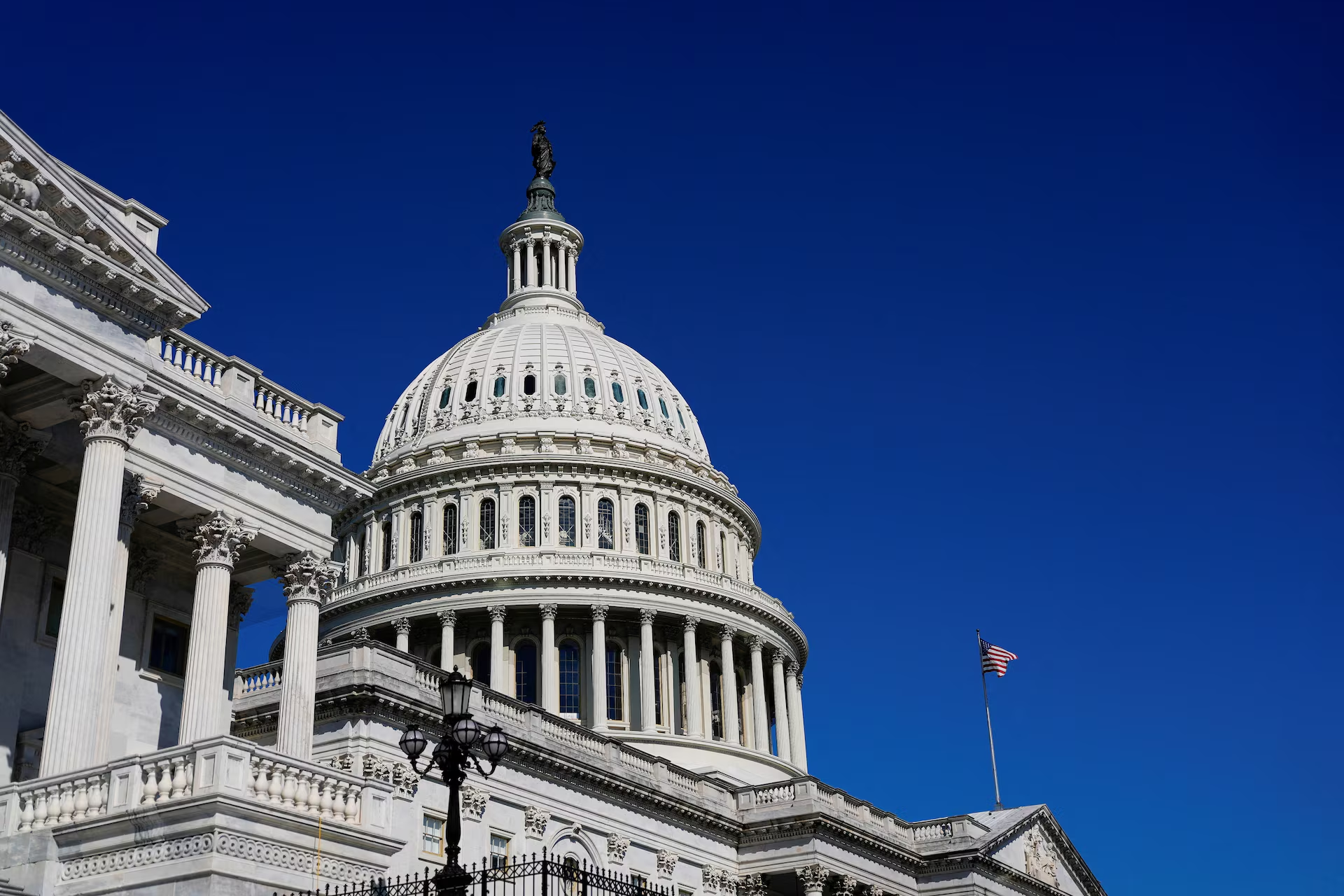
The House passes a bipartisan stopgap bill funding the government through Dec. 11, pushing the next shutdown fight past November's midterm elections.

Key takeaways
- The House passed a continuing resolution 370-48, extending federal funding at current levels through Dec. 11 and heading off a shutdown ahead of the Oct. 1 deadline.
- The measure blocks a Trump administration proposal to put political appointees in charge of reviewing federal grant funding, a provision Democrats had pushed for.
- The deal, negotiated weeks ahead of the actual funding cliff, frees lawmakers to campaign through the Nov. 3 midterms without a shutdown looming over the race.
What happened
The House voted 370-48 on Tuesday to pass a short-term government funding bill, extending current spending levels through Dec. 11 and averting a shutdown that would otherwise have hit at the end of September. The bill had already cleared the Senate, and now heads to President Trump's desk, where it is expected to be signed.
The continuing resolution keeps money flowing to federal agencies at existing levels, with adjustments carved out for a handful of priority programs including defense, wildfire response and food assistance. It buys Congress roughly fifteen more weeks to negotiate a full-year spending package.
Why it matters
The vote effectively removes the threat of a government shutdown from the political landscape just as the November midterm campaign enters its final stretch, a timing both parties appeared eager to secure after fiscal 2026 opened with a record 43-day shutdown followed by a separate 76-day partial shutdown at the Department of Homeland Security.
The bill also includes a provision Democrats had pushed for, temporarily blocking a Trump administration rule that would have put political appointees in charge of reviewing federal grant funding, along with language preventing the administration from shifting funds from other programs toward Border Patrol operations.
Evidence and context
Congress has yet to complete any of the twelve annual appropriations bills needed to fund the government for the fiscal year that begins Oct. 1, having passed only three of them so far. The stopgap effectively pauses that unfinished work rather than resolving it, leaving the same underlying disputes over spending levels for lawmakers to revisit in December.
The deal originated in the Senate, where Appropriations Committee leaders Susan Collins and Patty Murray struck a bipartisan agreement in August that passed 90-6 before the chamber's summer recess. That early bipartisan buy-in helped smooth the bill's path through the more fractious House.
This will give Congress time to get past the November elections.
— House Appropriations Committee Chairman Tom Cole
The people and places affected
Federal employees, who endured missed paychecks during last year's shutdowns, are the most direct beneficiaries of the deal, along with military personnel who would otherwise have had to work without pay during any funding lapse. Defense officials said the stopgap also protects current weapons programs from disruption.
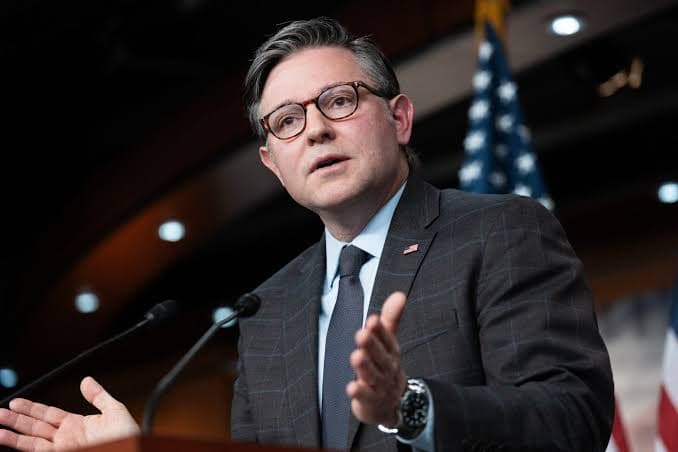
House Speaker Mike Johnson framed the bill as Republicans' top priority ahead of a scheduled ten-day recess, while House Democrats, led on the Appropriations Committee by Rep. Rosa DeLauro, used the vote to argue for reasserting Congress's spending authority over unilateral actions taken by the administration.
The open questions
The stopgap resolves the immediate shutdown threat but leaves the harder questions of full-year spending levels unresolved, meaning lawmakers will face a similar cliff in December, this time without the cover of an upcoming election to force compromise.
It's also unclear whether the political dynamics that made this deal possible, bipartisan fatigue after last year's shutdowns and a shared desire to campaign without a funding crisis, will still hold once midterm results are in and the political calculus shifts.
What comes next
President Trump is expected to sign the bill in the coming days, formally averting the shutdown before the Sept. 30 deadline. Lawmakers will then turn to the remaining appropriations bills, with a new deadline of Dec. 11 to reach a full-year agreement.
Both parties are expected to use the fall recess to campaign on their competing spending priorities, setting up another high-stakes negotiation once Congress reconvenes after the midterms.
Emily Carter
Emily Carter covers U.S. politics, the courts and government accountability. Her reporting focuses on how decisions in Washington affect institutions, businesses and everyday life.
More from Emily