John Ternus Officially Takes Over as Apple's CEO
John Ternus officially becomes Apple's CEO, succeeding Tim Cook after 15 years, as the tech giant faces pressure to catch up on AI.

Key takeaways
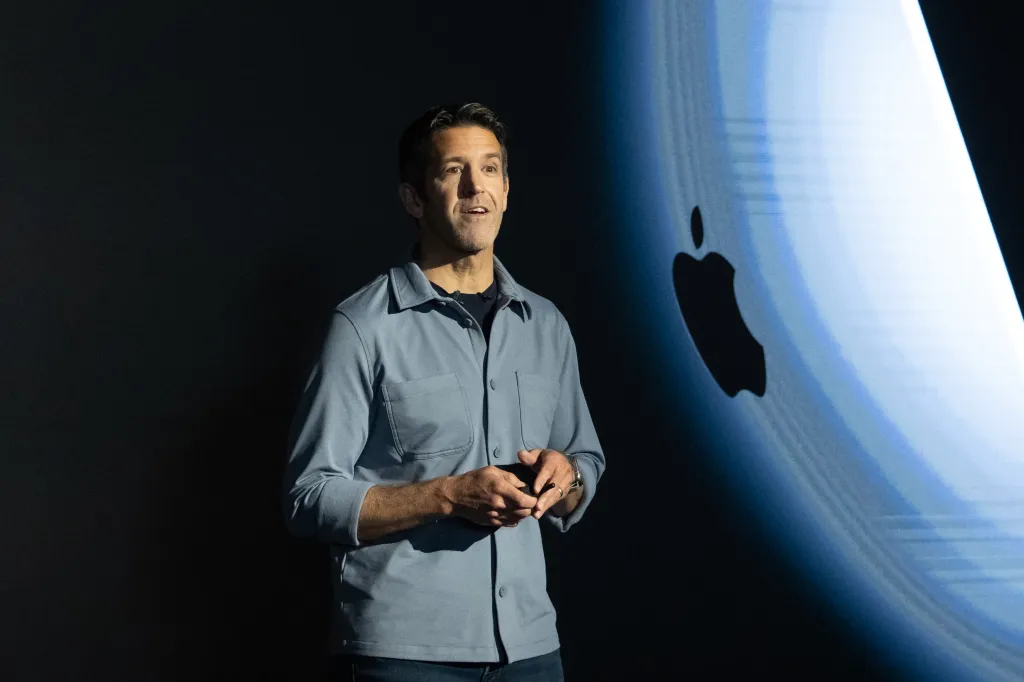
- John Ternus, Apple's longtime head of hardware engineering, officially became CEO on Tuesday, succeeding Tim Cook after his 15-year run atop the company.
- Cook, who led Apple through its rise from roughly $350 billion to more than $4 trillion in market value, moves into the newly created role of executive chairman.
- Ternus takes over just ahead of Apple's annual product event and amid ongoing criticism that the company has fallen behind rivals in artificial intelligence.
What happened
John Ternus formally took over as Apple's chief executive on Tuesday, ending Tim Cook's 15-year tenure atop the company and marking the tech giant's first change in leadership since the post-Steve Jobs era began. The transition, announced back in April, was approved unanimously by Apple's board following what the company described as a long-term succession process.
Cook moves into the newly created role of executive chairman, a position that will see him continue engaging with policymakers around the world while stepping back from day-to-day operations. Ternus also joined Apple's board of directors as part of the transition, while longtime board chair Arthur Levinson shifted into the role of lead independent director.
Why it matters
The handoff marks a significant moment for the world's most valuable iPhone maker, which under Cook grew from roughly $350 billion in market value to more than $4 trillion, even as critics argued the company grew too reliant on China for manufacturing and lagged behind rivals in developing generative AI products.
Ternus, an engineer by training, represents a shift toward product-focused leadership at a moment when Apple faces mounting pressure to demonstrate it can compete on artificial intelligence, an area where competitors have moved more aggressively in recent years.
Evidence and context
Ternus, 50, joined Apple in 2001 and spent his career almost entirely on the hardware side of the business, rising to vice president of hardware engineering in 2013 and senior vice president in 2021. He has overseen the development of some of Apple's most recognizable product lines, including the iPad, AirPods and Apple Watch.
Alongside the CEO transition, Apple has reshuffled other parts of its leadership team, with Johny Srouji taking on a newly created chief hardware officer role and Eddy Cue's services division regaining oversight of the App Store. Longtime marketing chief Phil Schiller has also stepped back from his public-facing role at company events, according to reporting on the changes.
It has been the greatest privilege of my life to be the CEO of Apple.
— Tim Cook
The people and places affected
Apple's stock rose more than 2 percent in midday trading Tuesday as Ternus formally assumed his new role, part of a broader climb that has seen shares gain more than 37 percent over the past year. Investors have so far responded calmly to the leadership change, which was telegraphed months in advance.
The transition arrives just ahead of Apple's annual fall product event, which will be Ternus's first as chief executive and is expected to include new iPhone models, with speculation swirling around a potential foldable device in the company's pipeline.
The open questions
The most immediate question facing Ternus is whether his background in hardware translates into a faster, more competitive push on AI software and services, an area where Apple has trailed rivals despite its enormous scale and cash reserves.
It also remains to be seen how much influence Cook retains in his new executive chairman role, particularly on matters like trade policy and Apple's relationship with manufacturing partners in China, which have been recurring flashpoints during his tenure.
What comes next
All eyes now turn to Apple's upcoming product event, where Ternus will make his public debut as CEO and face early questions about his product and AI strategy for the company.
Longer term, analysts will be watching whether Ternus makes further changes to Apple's executive bench beyond the reshuffle already underway, and whether his engineering background shapes a different approach to product development than Cook's operations-focused tenure.
Emily Carter
Emily Carter covers U.S. politics, the courts and government accountability. Her reporting focuses on how decisions in Washington affect institutions, businesses and everyday life.
More from Emily