Fed Officials Split as Rate-Cut Debate Heats Up
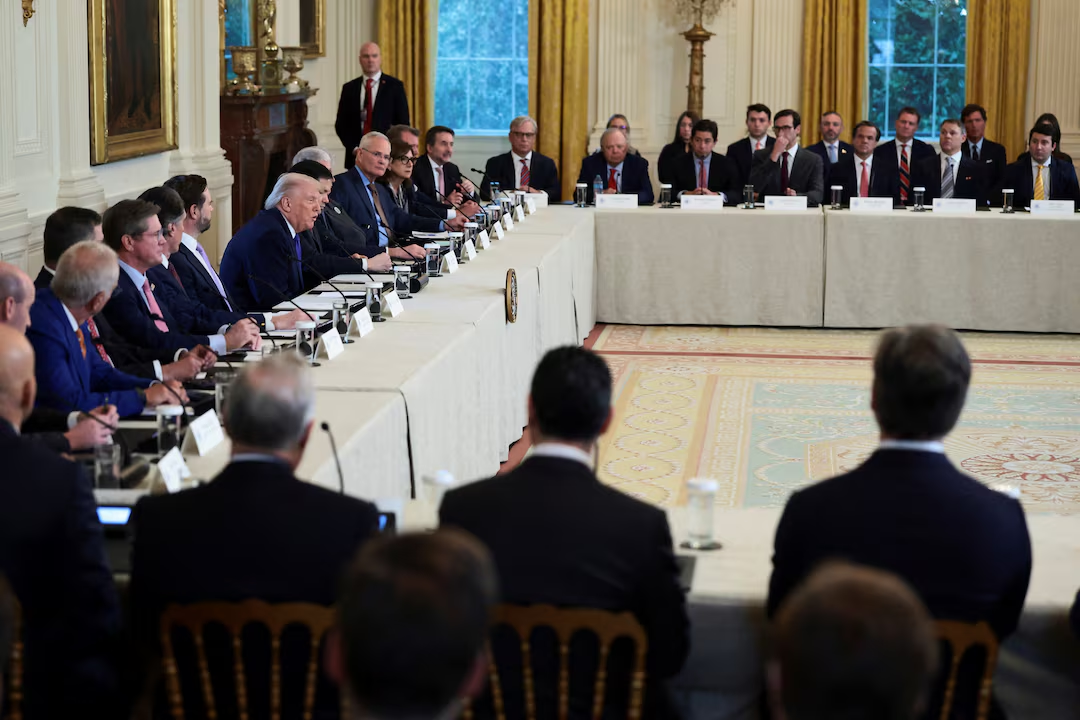
Federal Reserve officials remain divided over how quickly to keep cutting rates, as New York Fed President John Williams flags rising risks to employment.

Key takeaways
- New York Fed President John Williams said downside risks to employment have grown while upside risks to inflation have eased, adding weight to the case for further rate cuts.
- Fed Governor Stephen Miran continues to push for a faster pace of easing, arguing current policy remains overly restrictive on economic growth.
- The federal funds rate has already come down from last year's highs following a string of cuts, with the central bank's next moves still a subject of internal disagreement.
What happened
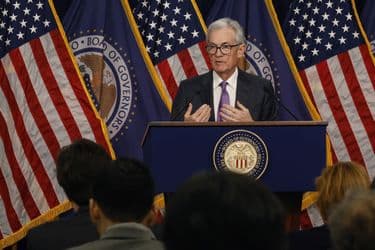
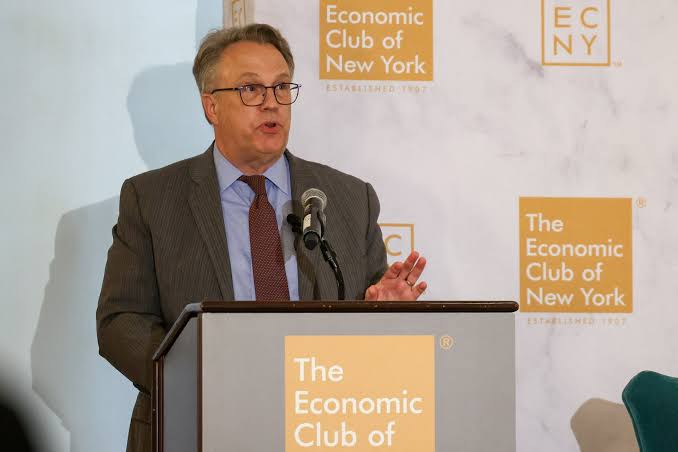
Federal Reserve officials remain split over the pace of further interest rate cuts, with New York Fed President John Williams noting this week that risks to employment have grown even as inflation risks have eased somewhat. His comments add to a running debate inside the central bank over how aggressively to keep lowering borrowing costs.
Fed Governor Stephen Miran has been among the most vocal advocates for faster easing, arguing that current policy is holding back economic growth more than officials acknowledge and pushing for a quicker path toward what he considers a neutral rate.
Why it matters
The Fed's rate decisions ripple through everyday borrowing costs, from mortgages and auto loans to credit cards, making the internal debate more than an academic exercise for American households and businesses. A faster pace of cuts could ease pressure on borrowers, while a more cautious approach reflects concern that inflation, though improved, has not fully returned to the Fed's 2% target.
The split also comes at a delicate moment for the economy, with the labor market showing signs of cooling even as broader growth has remained resilient, forcing policymakers to weigh two competing risks rather than a single clear-cut problem.
Evidence and context
The Fed cut rates several times over the past year, moving its benchmark federal funds rate down from earlier highs, with officials describing the current stance as gradually shifting from modestly restrictive toward neutral. Regional Fed presidents have generally favored a more cautious, data-dependent approach, while Miran has repeatedly called for larger, more front-loaded reductions.
Williams, who serves as vice chair of the Fed's rate-setting committee, has generally sought to balance both sides of the central bank's mandate, emphasizing the need to bring inflation down without creating undue harm to the job market.
Downside risks to employment have increased.
— New York Fed President John Williams
The people and places affected
Homebuyers and small businesses reliant on variable-rate financing are among the groups most sensitive to the Fed's next moves, given how directly borrowing costs are tied to the central bank's benchmark rate. Mortgage rates have fluctuated in tandem with the broader rate debate throughout the year.
The White House has also weighed in repeatedly on the Fed's rate path, with the administration pushing for faster cuts to ease pressure on the housing market and reduce the government's own interest costs on a growing national debt.
The open questions
The key unresolved question is how much weight the Fed's rate-setting committee will give to Williams's comments on employment risk versus the more cautious instincts of regional bank presidents wary of cutting too quickly.
It's also unclear how much further Miran will be able to push his more aggressive stance, given that he remains something of an outlier on the committee even as his warnings about labor market cooling find some support in recent data.
What comes next
Markets will be watching the Fed's upcoming policy meeting closely for signs of whether Williams's comments translate into a faster pace of cuts or whether the committee opts for a more measured approach.
Upcoming inflation and jobs reports are expected to play a decisive role in shaping the debate, with officials on both sides of the argument likely to point to the same data to support very different conclusions.
Michael Reed
Michael Reed covers international affairs, energy and climate policy. He connects developments overseas with the decisions facing communities, companies and policymakers in the United States.
More from Michael