US Refiners Meet Trump as Gas Supply Tightens
President Trump meets US oil refiners as tight refining capacity and Middle East tensions push gasoline prices to their highest levels this year.

Key takeaways
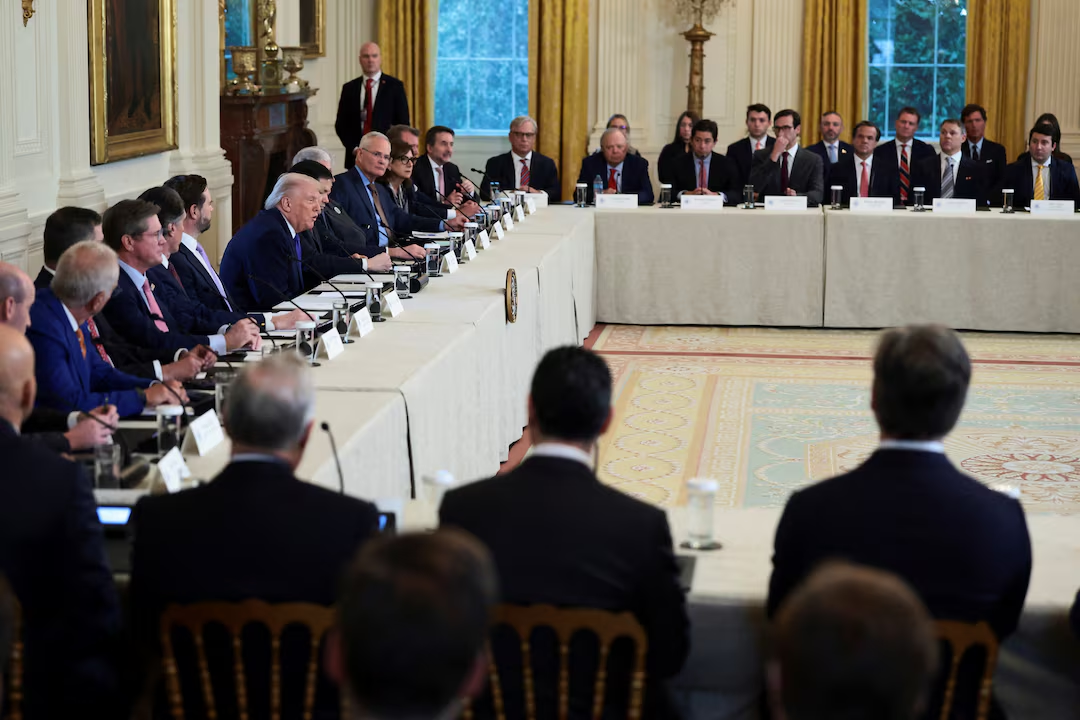
- President Trump met with major US oil refiners this week to discuss near-term steps for easing tight refining capacity as gasoline prices approach $4 a gallon.
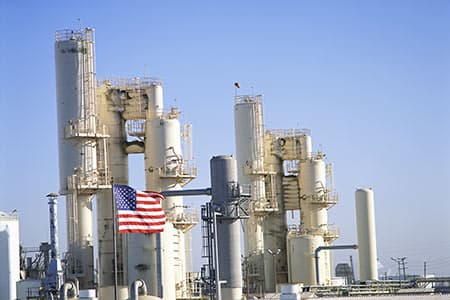
- US refineries are already operating near maximum output, leaving little room to rebuild gasoline inventories that have fallen for a second straight week.
- Renewed fighting near the Strait of Hormuz has knocked nearly 10 percent of global refining capacity offline, compounding pressure on already tight fuel supplies.
What happened
President Trump met this week with executives from major US oil refining companies to discuss near-term measures for easing tight fuel supplies, as gasoline prices climbed toward $4 a gallon nationally heading into the Labor Day weekend. The meeting comes as industry data shows refiners already operating close to their practical capacity limits.
US gasoline futures rose to around $3.10 a gallon this week, with AAA tracking August as among the most expensive months at the pump on record. Gasoline inventories fell for a second consecutive week, leaving supplies below their seasonal five-year average.
Why it matters
Refining capacity, rather than crude oil prices alone, has emerged as the bigger driver of pump prices in recent months, according to market analysts at Goldman Sachs, meaning that even a resolution to Middle East tensions may not bring quick relief for drivers. Diesel prices, which flow through to shipping and grocery costs, have also climbed sharply since fighting between the US and Iran escalated.
The pressure on fuel prices lands at a politically sensitive moment, with inflation remaining a top concern for voters ahead of November's midterm elections and the administration facing scrutiny over its handling of both energy policy and the broader Iran conflict.
Evidence and context
Renewed fighting near the Strait of Hormuz has taken nearly 10 percent of global refining capacity offline, according to market data, with Russian refining runs also near multi-year lows amid the ongoing war in Ukraine. That combination has left global fuel markets unusually tight even as crude oil prices have fluctuated within a narrower range.
Earlier in the summer, West Texas Intermediate crude briefly dropped more than 6 percent on signals that the Strait of Hormuz might reopen more fully to shipping, before renewed strikes reversed some of that optimism and pushed prices back up.
Likely peaked.
— the US energy secretary, in an earlier assessment of gas prices that has since been overtaken by events
The people and places affected
Drivers nationwide are feeling the effects heading into one of the year's busiest travel weekends, with AAA projecting heavy Labor Day demand even as prices climb. Some states, including California, have consistently posted prices well above the national average throughout the year.
Retailers with fuel operations have reported record gas station sales volumes even as consumers grow more price-sensitive, according to recent earnings commentary from major chains, illustrating how higher prices are reshaping household spending patterns.
The open questions
It remains unclear whether this week's meeting between the administration and refining executives will yield any near-term relief, given that domestic refining capacity is already stretched close to its ceiling and cannot expand quickly.
The bigger uncertainty is how prices would respond if fighting near the Strait of Hormuz escalates further, a scenario that could tighten global oil and refined product flows well beyond current levels.
What comes next
The Energy Information Administration's next weekly inventory report will offer an early read on whether the recent supply declines are stabilizing as the fall driving season approaches.
Markets will also watch for any follow-through from this week's refiner meeting, along with developments in the Strait of Hormuz standoff, for signs of whether prices at the pump might finally begin to ease.
Michael Reed
Michael Reed covers international affairs, energy and climate policy. He connects developments overseas with the decisions facing communities, companies and policymakers in the United States.
More from Michael