ACA Premiums Surge as Enhanced Subsidies Lapse
Millions of ACA marketplace enrollees are facing premium increases averaging 114% after enhanced federal subsidies expired at the start of the year.

Key takeaways
- More than 20 million subsidized ACA marketplace enrollees are seeing premium costs rise by an average of 114% in 2026 after enhanced tax credits lapsed.
- Analysts project the higher costs could push nearly 5 million Americans, disproportionately younger and healthier enrollees, to drop coverage entirely this year.
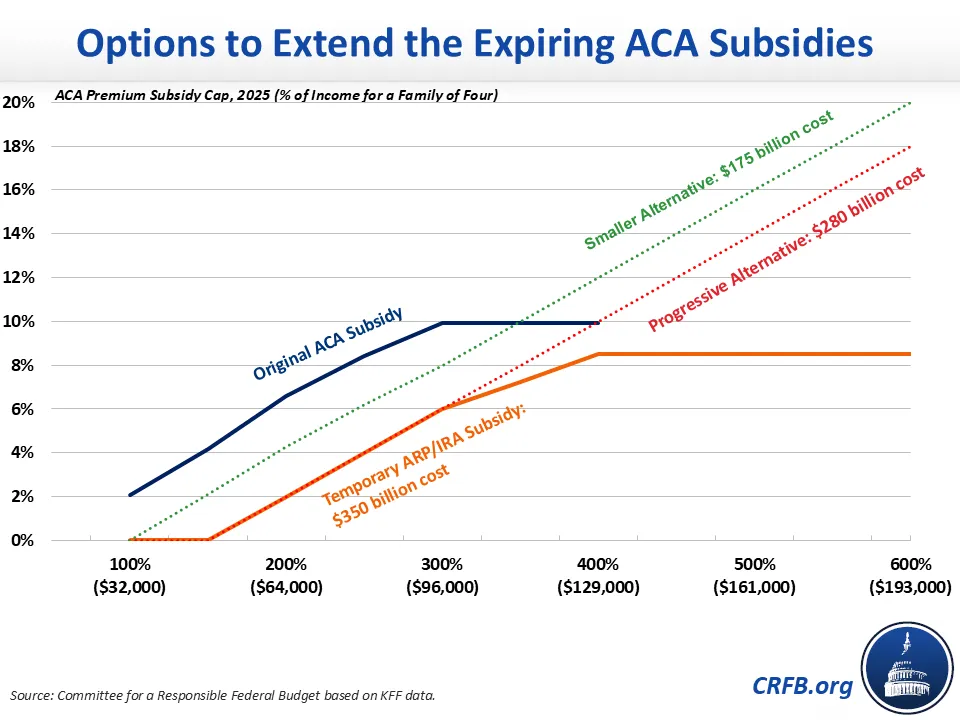
- The return of the so-called subsidy cliff means anyone earning above 400% of the federal poverty level now loses all federal premium assistance regardless of cost.
What happened
Enhanced premium tax credits that had lowered the cost of Affordable Care Act marketplace plans since 2021 formally expired at the end of last year after Congress failed to reach an agreement to extend them. The lapse has translated into steep new bills for millions of enrollees in 2026, with premium payments for subsidized marketplace plans rising by an average of 114% nationally, according to health policy researchers.
For some enrollees, the increase has meant premiums effectively doubling or tripling overnight. One single mother described her monthly premium rising from around $900 to $2,500, while a Salt Lake City freelancer said his monthly payment climbed from roughly $350 to nearly $500, changes that have forced many households to reassess whether they can keep their coverage.
Why it matters
The expiration also revives what analysts call the 'subsidy cliff': anyone earning more than 400% of the federal poverty level, about $62,600 for an individual or $128,600 for a family of four, now receives no federal assistance at all, regardless of how high their premium is relative to their income. That threshold particularly affects early retirees and self-employed workers who rely on marketplace coverage rather than an employer plan.
Health economists warn the changes could destabilize the marketplace over time, since younger, healthier enrollees are more likely to drop coverage when prices rise sharply, leaving a proportionally older and sicker pool of remaining enrollees, which tends to push future premiums even higher.
Evidence and context
An analysis conducted last year projected that the higher premiums stemming from the expired subsidies could lead roughly 4.8 million Americans to drop coverage in 2026, with the effects expected to be most pronounced in states with large numbers of marketplace enrollees, including Florida. Separately, insurers proposed a median rate increase of 18% for 2026 plans even before accounting for the loss of the enhanced subsidies, the largest such increase since 2018.
Roughly 1.8 million current enrollees have incomes between 300% and 400% of the federal poverty level, putting them just below the cliff, while another 725,000 sit just above it and are losing assistance entirely under the new rules.
A tax credit is easy to overlook until the month it disappears and the bill triples.
— Priya Shah
The people and places affected
Enrollees with pre-existing health conditions or disabilities who depend on marketplace coverage, including cancer survivors and people with permanent injuries, describe the increases as particularly difficult to absorb given their ongoing medical needs. Older adults between 50 and 64, who are not yet eligible for Medicare, face premiums that can run up to three times higher than those charged to younger enrollees.
Financial planners say the change has also created new complexity for households navigating modified adjusted gross income calculations, since certain deductions and exclusions that are added back into that calculation can unexpectedly push some families over the 400% threshold and out of eligibility for any assistance.
The open questions
Whether Congress will revisit the subsidies later this year remains uncertain; earlier negotiations during a government funding standoff failed to produce an extension, and there is no indication of active talks resuming imminently.
It also remains unclear how insurers and state marketplaces will adjust if a significant share of younger, healthier enrollees exit the market as projected, and what that could mean for premium levels in future years.
What comes next
Enrollees are being encouraged to review their options during open enrollment, including comparing plan tiers and using health savings accounts to offset higher out-of-pocket costs, though financial advisers acknowledge there is no straightforward fix for the scale of the increases many families face.
Melonpost will continue tracking enrollment trends, potential congressional action on the subsidies, and their effect on marketplace stability throughout the rest of the year.
Sarah Mitchell
Sarah Mitchell covers science, technology and health, with a focus on artificial intelligence, medical research and digital policy. She explains emerging ideas and the questions they raise for everyday life.
More from Sarah