DRC Ebola Outbreak Becomes Second-Largest Ever
The Bundibugyo virus outbreak in Congo has grown into the second-largest Ebola epidemic on record, with case counts far outpacing past outbreaks.

Key takeaways
- The Ebola outbreak in the Democratic Republic of the Congo, caused by the Bundibugyo virus, has become the second-largest ever recorded, with thousands of confirmed cases and a fatality rate near 48%.
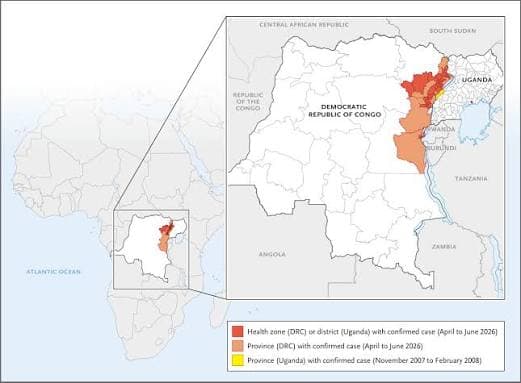
- The outbreak has spread from a single health zone in Ituri Province to dozens of zones across five provinces since it was first identified in May.
- US and European health agencies say the risk to travelers and the general public outside the region remains low, though isolated imported cases have been treated abroad.
What happened
An Ebola outbreak caused by the Bundibugyo virus, first identified in the Democratic Republic of the Congo's Ituri Province in May, has grown into the second-largest Ebola epidemic ever recorded. As of late August, health authorities had confirmed several thousand cases and roughly 2,600 deaths, a fatality rate of about 48%, with the outbreak now affecting dozens of health zones across five provinces.
The World Health Organization has convened multiple emergency committee meetings on the outbreak in recent weeks, and health officials describe the rate of spread as unprecedented, with case totals climbing faster in the first hundred days than in any previous Ebola outbreak on record.
Why it matters
The outbreak's scale and speed have strained an already difficult response environment, with health workers navigating regional conflict and food insecurity alongside the epidemic itself. Because the strain involved, Bundibugyo virus, differs from the more familiar Zaire strain, some existing rapid diagnostic tests and treatments are not fully effective, complicating both detection and care.
For global health security, the outbreak is a test of international response systems, and a small number of imported cases in humanitarian workers evacuated to Europe for treatment have underscored how quickly the virus can move beyond its point of origin, even as officials stress that onward transmission outside the affected region has not occurred.
Evidence and context
Public health data shows the outbreak's epicenter, Ituri Province, accounts for the large majority of cases, though sustained transmission has since been documented in North Kivu, South Kivu, Haut-Uélé and Tshopo provinces as well. Key response indicators, including how quickly cases are detected, contacts traced and safe burials conducted, have not consistently met international targets, according to health agency assessments.
A related, smaller Ebola outbreak in neighboring Uganda linked to the same virus was declared over in August after 42 days without a new confirmed case, offering a partial model for containment even as the much larger Congo outbreak continues to expand.
Case counts alone don't capture it — this outbreak is outrunning nearly every containment tool built for the last one.
— Priya Shah
The people and places affected
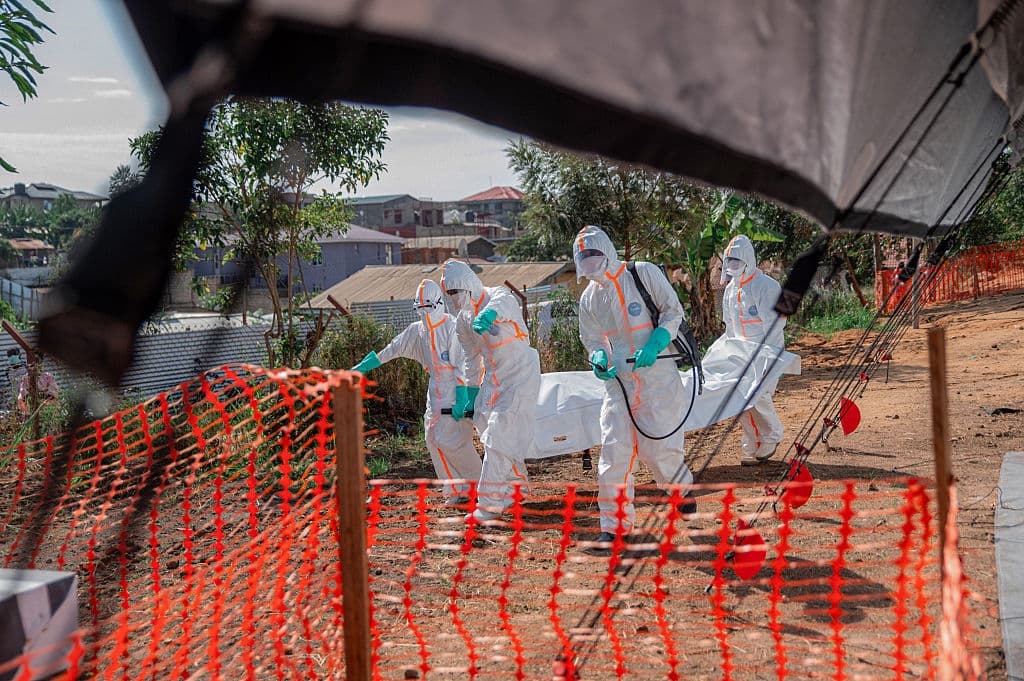
Communities across Ituri and the newly affected provinces are grappling with both the immediate health toll and the social disruption of outbreak response measures, including changes to burial practices that in some areas have faced resistance rooted in cultural and religious tradition.
Health workers on the ground, often operating in remote areas with limited infrastructure, face significant risk, and international responders have flagged persistent gaps in funding, staffing and supplies needed to keep pace with the outbreak's growth.
The open questions
Health officials are still working to determine why this outbreak has spread so much faster than past Ebola epidemics, with early theories pointing to a combination of population movement, delayed initial detection and the challenges of operating in a conflict-affected region.
It also remains unclear how quickly vaccine and treatment protocols, largely developed and validated for the more common Zaire strain, can be adapted for broader use against the Bundibugyo strain driving this outbreak.
What comes next
The World Health Organization's emergency committee is expected to continue meeting regularly to reassess the outbreak's international risk level and response needs, while the US CDC and European health agencies maintain enhanced monitoring of travelers from affected areas.
Melonpost will continue tracking the outbreak's spread, the international response effort, and any developments in vaccine or treatment protocols specific to the Bundibugyo strain.
Sarah Mitchell
Sarah Mitchell covers science, technology and health, with a focus on artificial intelligence, medical research and digital policy. She explains emerging ideas and the questions they raise for everyday life.
More from Sarah