Kennedy Weighs New Limits on Infant Vaccines
A federal request for public input suggests HHS may create a new vaccine category for shots recommended later in childhood but not during infancy.

Key takeaways
- A federal request for information suggests the administration is considering a new vaccine category recommending certain shots later in childhood rather than during infancy.
- The move follows a January overhaul that already reduced the number of vaccines universally recommended for children from 17 to 11.
- Pediatric groups, who broke with federal guidance earlier this year, are watching closely as the new CDC director says she personally believes vaccines are safe and effective.
What happened
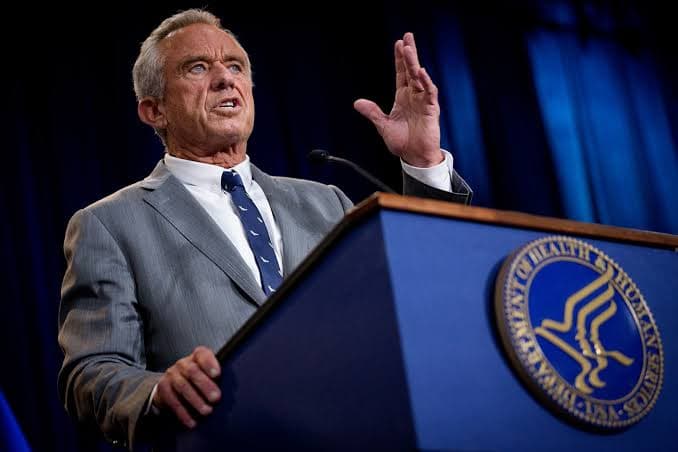
Health Secretary Robert F. Kennedy Jr.'s department has posted a formal request for public information that outlines potential new categories for vaccine recommendations, including one suggesting certain shots should be recommended for children but delayed beyond infancy. The document represents the latest step in a broader review of how the federal government advises families on childhood immunizations.
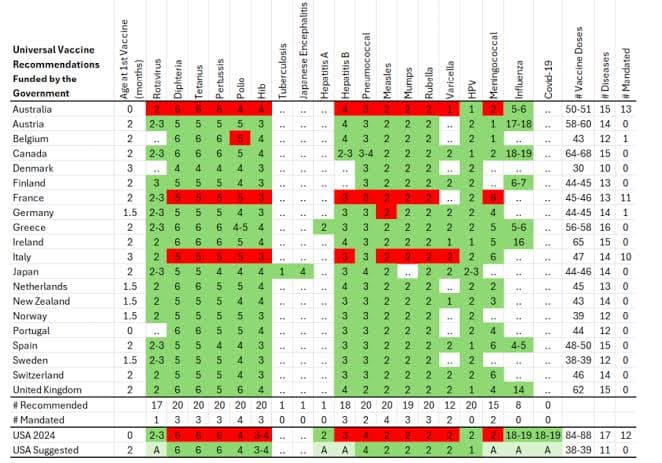
The request follows a January decision that reduced the number of diseases for which the CDC recommends vaccination as a routine, universal default from 17 to 11, shifting the remaining vaccines into categories for high-risk patients or 'shared clinical decision-making' between families and doctors.
Why it matters
Any further changes to the vaccine schedule could deepen an already unusual split between federal guidance and the recommendations of major pediatric organizations, several of which announced their own competing 2026 immunization schedule after rejecting the CDC's revised version. Because school vaccination requirements and insurance coverage decisions often reference CDC guidance, changes at the federal level can ripple into state policy even when they are framed as recommendations rather than mandates.
The debate also centers on trust: federal officials have framed the changes as giving families more flexibility and choice, while pediatric and infectious disease specialists warn that delaying or narrowing vaccine recommendations without new supporting data could contribute to further declines in immunization rates and the return of largely preventable diseases.
Evidence and context
Health officials have said the changes are intended to bring the US schedule more in line with countries such as Denmark, which recommend fewer routine childhood vaccines. Critics, including a former CDC official who resigned earlier this year, have said the changes were made without adequate consultation from pediatric, infectious disease and immunology experts.
The department has said all vaccines recommended as of the end of 2025 will remain covered under the Affordable Care Act, Medicaid and the Vaccines for Children program regardless of any changes to the routine schedule, meaning families who want to keep following the prior schedule can generally still do so.
Delay a shot instead of skipping it, and you've still changed policy — just more quietly.
— Priya Shah
The people and places affected
Pediatricians and hospital systems, including several major children's hospitals, have said they intend to continue following the American Academy of Pediatrics' schedule rather than the CDC's revised version, creating a confusing landscape for parents trying to determine which guidance to follow.
At least twenty states have said they will not adopt the CDC's revised schedule for their own school and public health requirements, leaving families' actual vaccination experience increasingly dependent on where they live.
The open questions
It remains unclear which specific vaccines, if any, would be affected by a new infancy-delay category, and what evidence the department will cite in any final decision. The public comment period tied to the request for information will shape how the proposal develops.
There is also an open legal question, since a federal court already paused an earlier version of the revised schedule this year, finding procedural problems with how it was adopted; any new changes could face similar challenges.
What comes next
The department is expected to review public comments before deciding whether to formally propose new vaccine categories, a process likely to unfold over the coming months and to be closely watched by pediatric groups, state health departments and insurers alike.
Melonpost will continue following the review process and any resulting changes to federal vaccine guidance as they develop.
Sarah Mitchell
Sarah Mitchell covers science, technology and health, with a focus on artificial intelligence, medical research and digital policy. She explains emerging ideas and the questions they raise for everyday life.
More from Sarah