Duane 'Keffe D' Davis Guilty in Tupac Shakur Killing
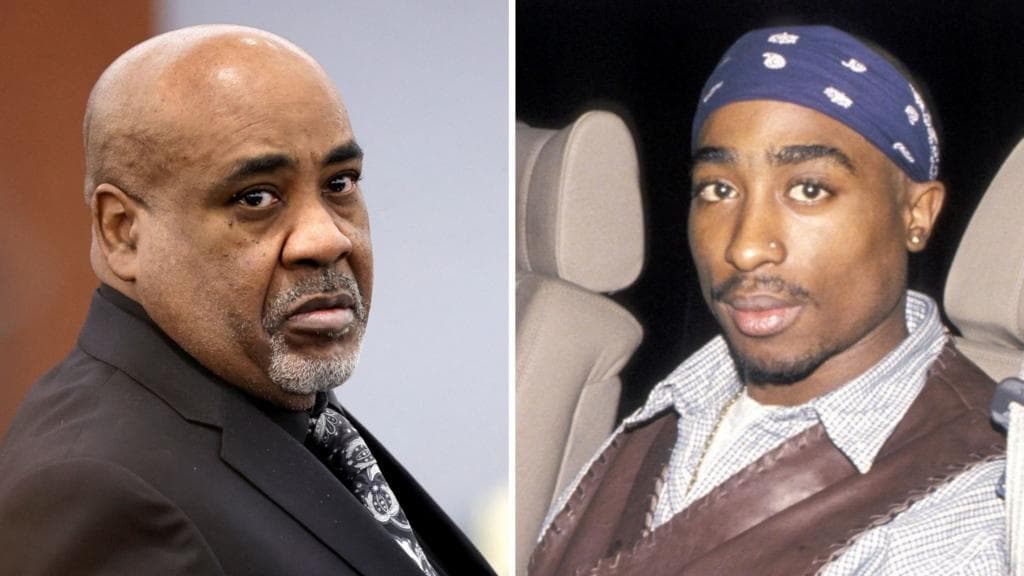
A Las Vegas jury convicts Duane 'Keffe D' Davis of first-degree murder, delivering the first conviction in Tupac Shakur's 1996 killing after 30 years.

Key takeaways
- Jurors deliberated less than three hours before convicting Duane 'Keffe D' Davis, 63, of first-degree murder with a deadly weapon in Tupac Shakur's 1996 killing.
- Davis is the only person ever charged in the case; prosecutors argued he orchestrated the drive-by shooting as retaliation for an earlier casino brawl.
- Davis faces a possible life sentence at his October 13 sentencing and has already told the judge he intends to appeal the verdict.
What happened
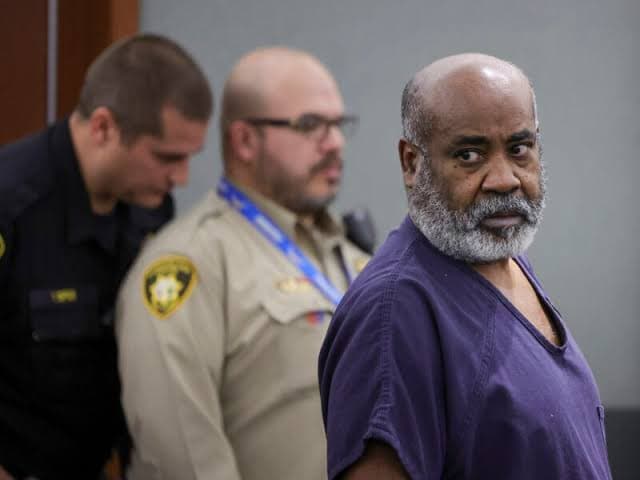
A Las Vegas jury found Duane "Keffe D" Davis guilty of first-degree murder with a deadly weapon on Monday, closing out a case that had gone unresolved for three decades since rapper Tupac Shakur was gunned down near the Las Vegas Strip in September 1996. Jurors reached their verdict in under three hours following a roughly two-week trial.
Davis, 63, a former leader of the South Side Compton Crips, was not accused of pulling the trigger but was charged under Nevada law as someone who helped orchestrate the killing. Prosecutors say Davis sought revenge after Shakur and Death Row Records co-founder Marion "Suge" Knight were involved in an earlier altercation with Davis's nephew that same night.
Why it matters
Shakur's murder became one of the defining unsolved mysteries of hip-hop history, fueling decades of speculation, documentaries and conspiracy theories. Davis is the only person ever criminally charged in the case and the only individual known to have ridden in the same vehicle as the shooter that night, according to prosecutors.
The conviction offers Shakur's family a measure of resolution nearly thirty years after his death, arriving just two weeks before the anniversary of his passing on September 13. Several relatives were visibly emotional in the courtroom as the verdict was read.
Evidence and context
Much of the prosecution's case rested on Davis's own past statements, including police interviews and details recounted in a 2019 memoir in which he discussed his role in the events surrounding Shakur's death without ever naming who fired the fatal shots. Prosecutors argued those admissions, combined with a scrapbook of news clippings about the killing that Davis kept, pointed clearly to his involvement.
The defense countered that decades-old statements and a memoir written for profit do not amount to a genuine confession, with attorney Michael Sanft arguing throughout the trial that prosecutors lacked physical evidence tying Davis directly to the shooting or proving he directed it.
This guy's scrapbooking his murder, for God's sake.
— prosecutor Marc DiGiacomo, in rebuttal closing arguments
The people and places affected
Shakur's sister, Sekyiwa "Set" Shakur, was present for the verdict and was seen crying and embracing others in the courtroom as it was read. Davis's own son was also present, reportedly covering his face as the jury's decision was announced.
The case unfolded in Clark County District Court before Judge Carli Kierny, who ordered Davis to remain in custody ahead of his sentencing. The panel of ten women and six men heard testimony from roughly two dozen prosecution witnesses, many of them investigators who had worked the case over the years, alongside a small number of defense witnesses.
The open questions
Davis's stated intent to appeal leaves the final resolution of the case still open, with his legal team expected to challenge aspects of how the decades-old evidence was admitted at trial.
Questions also remain about how the case will shape broader efforts to revisit other long-unsolved killings tied to the 1990s East Coast-West Coast rap rivalry, an era that produced few convictions despite intense public interest.
What comes next
Davis is scheduled to be sentenced on Oct. 13 and faces a possible life sentence. His attorneys are expected to file an appeal in the coming months challenging the conviction.
For now, the verdict stands as the first and only criminal accountability reached in a case that has shadowed the music industry and law enforcement alike since 1996.
Emily Carter
Emily Carter covers U.S. politics, the courts and government accountability. Her reporting focuses on how decisions in Washington affect institutions, businesses and everyday life.
More from Emily