Judge Orders Kirk Suspect Robinson to Stand Trial
A Utah judge rules there's enough evidence for Tyler Robinson to face a capital murder trial in the killing of conservative activist Charlie Kirk.

Key takeaways
- Utah Judge Tony Graf ruled prosecutors showed sufficient probable cause on all seven counts against Tyler Robinson, including aggravated murder.
- Robinson, 23, pleaded not guilty at arraignment immediately following the ruling; prosecutors say they will seek the death penalty if he's convicted.
- The decision caps a months-long preliminary process built on DNA evidence, surveillance footage, and messages prosecutors say Robinson sent admitting to the shooting.
What happened
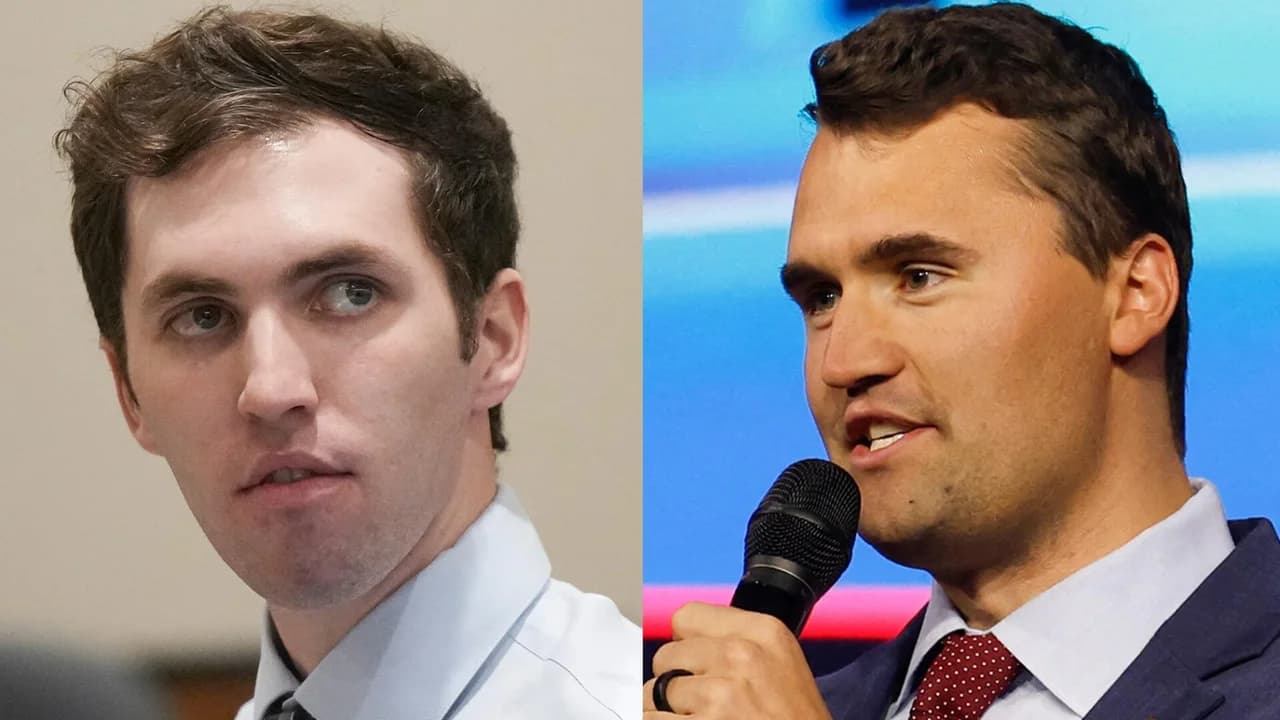
A Utah district judge ruled Tuesday that Tyler Robinson will stand trial for the murder of conservative activist Charlie Kirk, finding that prosecutors presented enough evidence to support probable cause on all seven charges against him. Judge Tony Graf's ruling came at the close of a preliminary hearing that stretched from July into September, capped by closing arguments in a packed Provo courtroom.
Robinson, 23, entered a not guilty plea shortly after the ruling was announced. He is charged with aggravated murder, felony discharge of a firearm causing serious bodily injury, obstruction of justice, witness tampering and a violent offense committed in the presence of a child. Prosecutors have said they intend to pursue the death penalty if he's convicted.
Why it matters
Kirk, the 31-year-old co-founder of Turning Point USA and a close political ally of President Trump, was shot and killed at an event at Utah Valley University last September in front of an estimated 3,000 witnesses. His killing sent shockwaves through American politics and turned the case into one of the most closely watched criminal proceedings in recent memory.
The ruling moves the case out of its preliminary stage and toward a trial that is expected to draw intense national attention, both for its political dimensions and because Robinson faces the possibility of execution if convicted on the aggravated murder charge.
Evidence and context
Prosecutors built their case around what they describe as a mix of physical and digital evidence, including DNA on a screwdriver recovered from the rooftop where Kirk was shot, surveillance footage tracking Robinson through a parking garage and stairwell, and messages he allegedly sent to his roommate referencing the shooting. A note Robinson left, prosecutors say, read in part that he had the opportunity to act and took it.
Robinson's defense attorneys argued the state's case leans too heavily on inference rather than direct proof, challenging in particular the prosecution's framing of evidence they say was admitted to establish identity but is now being used to suggest premeditated intent. The judge nonetheless found the state's evidence sufficient to proceed.
This evidence is sufficient at this stage to support a reasonable belief that the defendant is the individual who shot and killed Charlie Kirk.
— Judge Tony Graf
The people and places affected
The case has been closely followed not only by Kirk's family and supporters but also by a network of online commentators who have questioned the official account of the shooting, some alleging the surveillance footage was altered or that law enforcement fabricated confessions. Prosecutors and independent observers have pushed back firmly against those claims throughout the proceedings.
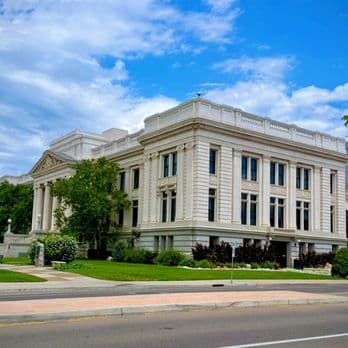
Utah Valley University, the site of the shooting, has remained a focal point of public attention since the killing, with a memorial to Kirk still drawing visitors nearly a year later. The Provo courthouse has seen heightened security throughout the hearings given the case's profile.
The open questions
With a trial date still to be set, the case now moves into a longer pretrial phase where both sides will continue to contest what evidence can be presented to a jury, including how prosecutors plan to establish motive given the limited direct evidence of Robinson's political views regarding Kirk.
Whether Robinson's defense team will pursue a change of venue given the case's extensive publicity, or challenge specific pieces of forensic evidence ahead of trial, remains to be seen in the coming months.
What comes next
A trial date has not yet been formally scheduled, but legal observers expect pretrial motions and jury selection logistics to dominate the case's next phase given its scope and the potential for a death sentence.
For Kirk's family, the ruling marks a step toward what they've described as a long-awaited reckoning, though the case's ultimate resolution, and any verdict, remains months if not longer away.
Emily Carter
Emily Carter covers U.S. politics, the courts and government accountability. Her reporting focuses on how decisions in Washington affect institutions, businesses and everyday life.
More from Emily