Whistleblower Warns of Flaws in USPS Ballot System
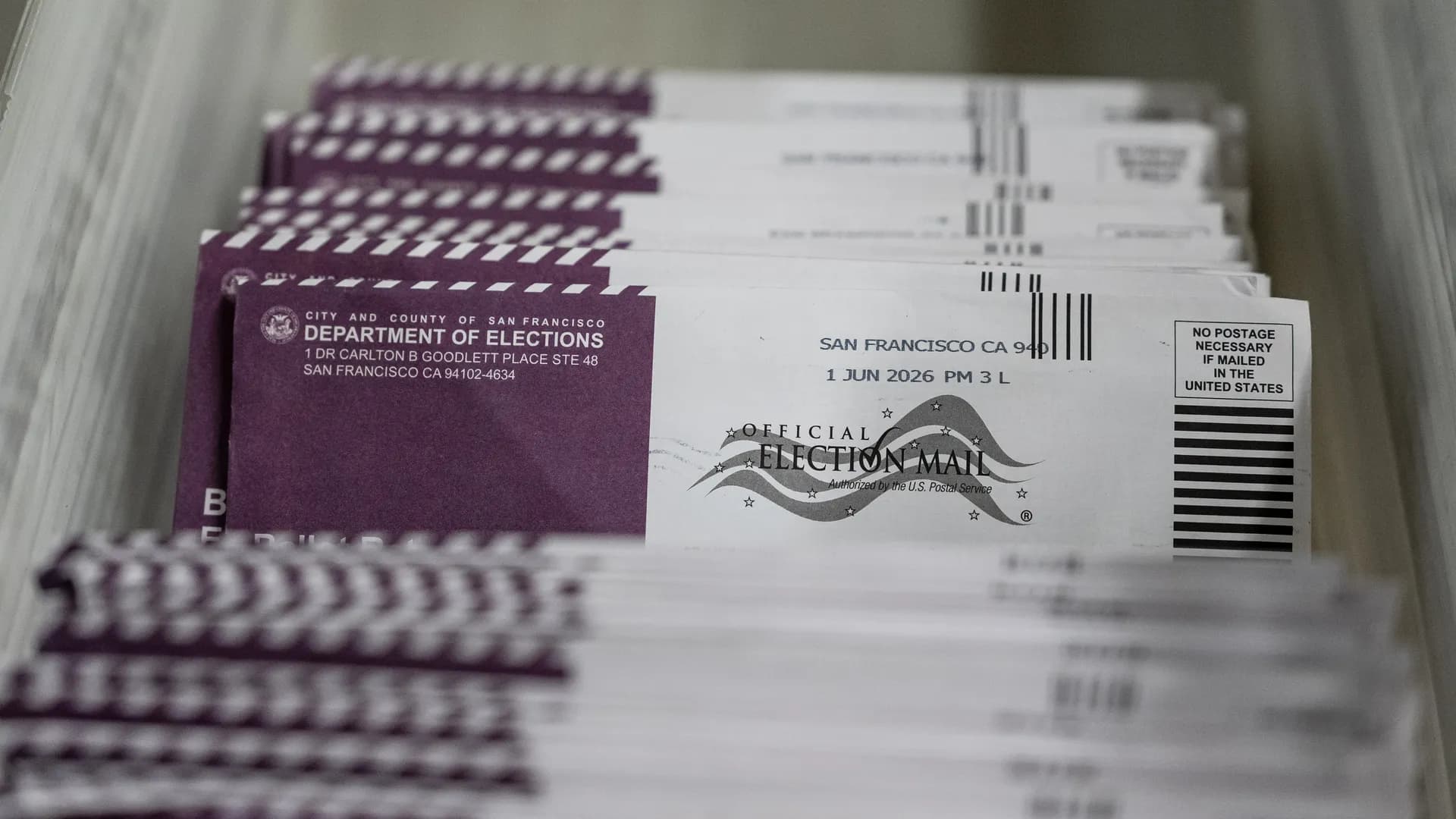
A federal whistleblower says a rushed Postal Service system for vetting mail ballots could reject thousands of votes before the midterm elections.

Key takeaways
- A whistleblower complaint alleges the USPS built a new mail-ballot verification system in weeks rather than the nine months to a year typically required.
- Under the flagged system, a single mismatched barcode could cause an entire batch of thousands of ballots to be rejected and returned to election officials.
- A federal judge has already paused the underlying executive order, but the complaint raises concerns about what could happen if the courts eventually allow it to proceed.
What happened
An anonymous federal official has filed a whistleblower complaint alleging that a new Postal Service system built to verify mail ballots was developed through a rushed and poorly tested process that could cause major failures during this fall's midterm elections. The complaint, submitted through the advocacy group Whistleblower Aid, was forwarded to the Postal Service's leadership by a Democratic senator on the committee overseeing the agency.
The system stems from a presidential executive order signed in March that directed federal agencies to compile citizenship lists and instructed the Postal Service to deliver mail ballots only to people confirmed on those lists. A federal judge has already blocked the order from taking full effect while litigation over its constitutionality continues, but the whistleblower's account details what could happen if the courts eventually allow it to move forward.
Why it matters
Roughly a third of American voters use mail ballots, and any large-scale disruption to that process carries real consequences for turnout, particularly in states with tight timelines this fall. The complaint's central concern is technical rather than political: a system built and tested in a fraction of the normal development time carries a meaningfully higher risk of the kind of errors that could delay or block ballots from reaching voters.
The dispute also touches on a broader debate over the federal government's role in state-run elections, an area historically left almost entirely to states and localities. Critics argue the executive order represents an unprecedented expansion of federal authority over how mail ballots are handled.
Evidence and context
According to the complaint, the system compares barcodes on mail ballots against lists uploaded by state election officials, and any single mismatch can trigger the rejection of an entire batch, potentially covering thousands of ballots at once, which would then need to be corrected and resubmitted. The whistleblower said the Postal Service's IT teams were given less than a week to test the finished system, far short of the review period such projects normally require.
The complaint further alleges that some of the procedures involved were not disclosed publicly, raising additional concerns about oversight. The Postal Service has not detailed how it plans to address the issues raised, and the underlying legal fight over the executive order itself remains unresolved.
A voting system doesn't have to be hacked to disenfranchise people — it just has to fail quietly at the wrong moment.
— Priya Shah
The people and places affected
Election officials in several states that begin mailing ballots this month have already voiced concern about being asked to use an unfamiliar system with minimal training and testing time. Voters relying on mail ballots, including those in senior communities and rural areas with limited access to in-person polling, could be disproportionately affected if ballots are delayed or rejected in bulk.
The senator who received the complaint has formally requested detailed records from Postal Service leadership and given the agency a short deadline to respond, signaling the issue is likely to draw further congressional scrutiny in the coming weeks.
The open questions
The most immediate question is whether courts will allow the underlying executive order to take effect before the midterms, and if so, whether the Postal Service can fix the flagged technical issues in time. A second question is how much transparency the agency will provide about the system's design and testing process going forward.
There is also an unresolved legal question about how far the federal government can go in directing how states manage mail ballots, an issue likely to be litigated well beyond this year's elections.
What comes next
The Postal Service faces a short deadline to respond to the senator's request for documentation, and further hearings are considered likely given the bipartisan interest in avoiding disruptions to mail voting. Litigation over the executive order itself continues in parallel.
Melonpost will continue tracking both the legal fight over the order and the technical concerns raised in the whistleblower complaint as the midterm election calendar moves forward.
Sarah Mitchell
Sarah Mitchell covers science, technology and health, with a focus on artificial intelligence, medical research and digital policy. She explains emerging ideas and the questions they raise for everyday life.
More from Sarah