Supreme Court Lets Trump Ballroom Project Proceed
A divided Supreme Court clears the way for the $600 million White House ballroom, even as Chief Justice Roberts calls the project likely unlawful.

Key takeaways
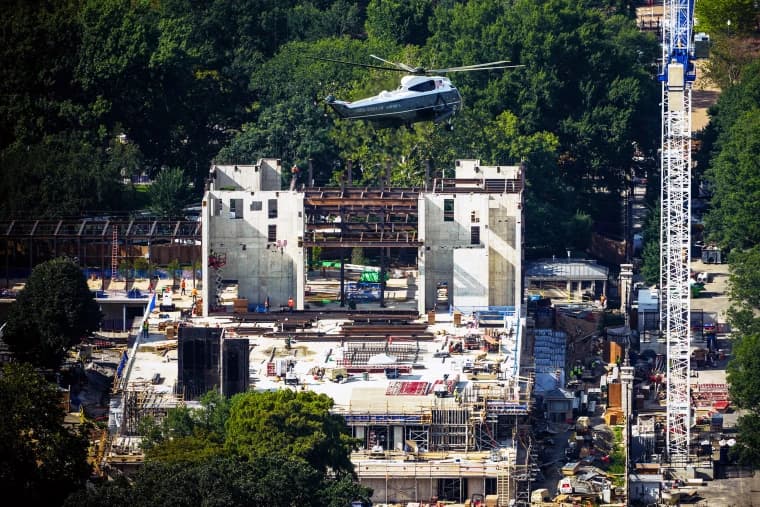
- The Supreme Court ruled 5-4 that construction of the White House's 90,000-square-foot ballroom can continue, siding with the administration on procedural grounds.
- Chief Justice John Roberts joined the court's three liberal justices in dissent, writing that the project is likely unlawful without congressional approval.
- The ruling turned on legal standing rather than the project's underlying legality, leaving the core constitutional question unresolved as construction continues.
What happened
The Supreme Court ruled that construction of a massive new ballroom at the White House can continue, rejecting a challenge from a historic preservation group that had sought to halt the project indefinitely. The unsigned opinion, issued by the court's conservative majority, found that the group likely lacked the legal standing needed to bring the case, without ruling on whether the project itself is lawful.
The decision followed months of back-and-forth in lower courts. A federal judge had initially ordered construction paused unless the work qualified as a security-related addition, and an appeals panel later allowed only underground work to continue. Monday's ruling effectively clears the way for above-ground construction to proceed without further interruption while litigation continues.
Why it matters
The case has become a proxy fight over how far a president can go in altering federal property without direct congressional sign-off. Roberts, writing for the dissenting justices, argued the project is likely illegal because Congress never approved it, warning that the ruling allows a probable infringement on legislative authority to continue simply because the challengers were found to lack standing.
The outcome also extends a broader pattern this term of the administration winning emergency requests from the court's so-called shadow docket, which has increasingly shaped how quickly contested executive actions can move forward while their legality is still being litigated in lower courts.
Evidence and context
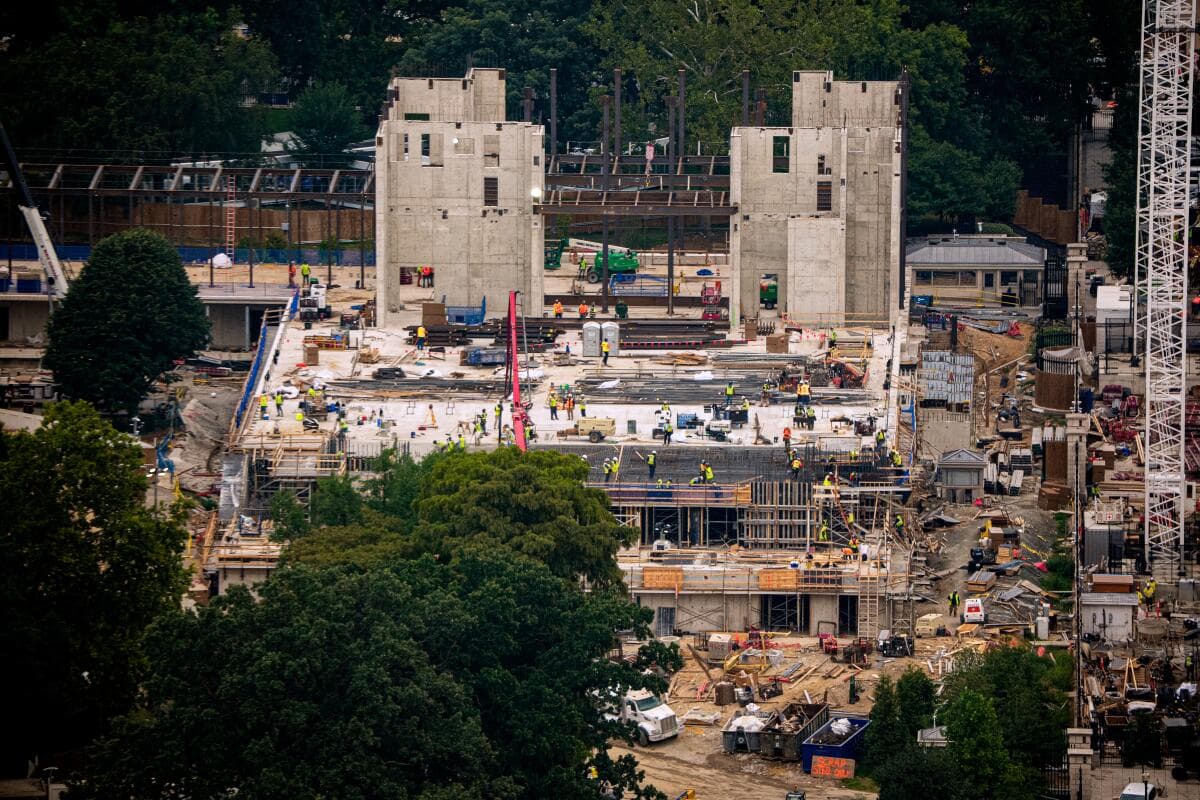
Court filings from the Justice Department indicated the project was roughly two-thirds complete at the time of the ruling, with an underground structure already extending five stories deep. The ballroom's projected cost has grown from an initial estimate of $400 million to roughly $600 million, and while the administration has said private donors will cover construction, it has also asked Congress for public funds to cover related security upgrades.
Legal scholars who have tracked the emergency docket say the case illustrates a structural concern: even when the court frames such rulings as temporary, they often determine the practical outcome well before the underlying legal questions are ever fully resolved, since construction can be substantially finished long before a final ruling arrives.
The justices didn't say the ballroom is legal — they said almost no one has the right to ask them to check.
— Priya Shah
The people and places affected
The National Trust for Historic Preservation, which brought the case, said it was disappointed by the ruling but noted the majority never addressed the project's underlying legality, leaving the door open for future challenges. Preservationists have raised concerns about the scale of construction on the White House grounds, which sit within a federally protected park area.
Within Washington, the ruling is being watched closely by lawmakers on both sides of the aisle who oversee federal spending and historic preservation, as well as by other agencies eyeing similar executive projects that could face comparable legal challenges.
The open questions
The biggest unresolved issue is whether the ballroom project is actually lawful — a question the court explicitly declined to answer. That leaves open the possibility of future litigation, potentially from a plaintiff the court would recognize as having standing.
There is also a broader question about precedent: legal analysts say the ruling could make it harder to challenge other instances of the administration spending money Congress has not directly appropriated, a pattern that has surfaced in several other disputes this year.
What comes next
Construction is expected to continue at pace, with the administration targeting completion by the summer of 2028. The underlying lawsuit will continue in lower courts, though the practical impact of any future ruling may be limited if the building is finished before a final decision is reached.
Melonpost will continue to monitor the litigation's progress and its implications for how future presidents can alter federal property without direct congressional authorization.
Sarah Mitchell
Sarah Mitchell covers science, technology and health, with a focus on artificial intelligence, medical research and digital policy. She explains emerging ideas and the questions they raise for everyday life.
More from Sarah