US Strikes Iran Again as Hormuz Tensions Escalate
Fresh American strikes on Iranian military sites reignite fears of a wider Gulf war just as fuel prices become a midterm flashpoint.

Key takeaways
- US Central Command launched a fresh round of strikes on Revolutionary Guard targets after Iran hit commercial tankers and American personnel near the Strait of Hormuz.
- The exchange comes six months into a conflict that began with joint US-Israeli strikes in February, despite a stalled diplomatic track aimed at ending the fighting.
- Rising gasoline prices tied to the conflict are becoming a political liability for the White House ahead of November's midterm elections.
What happened
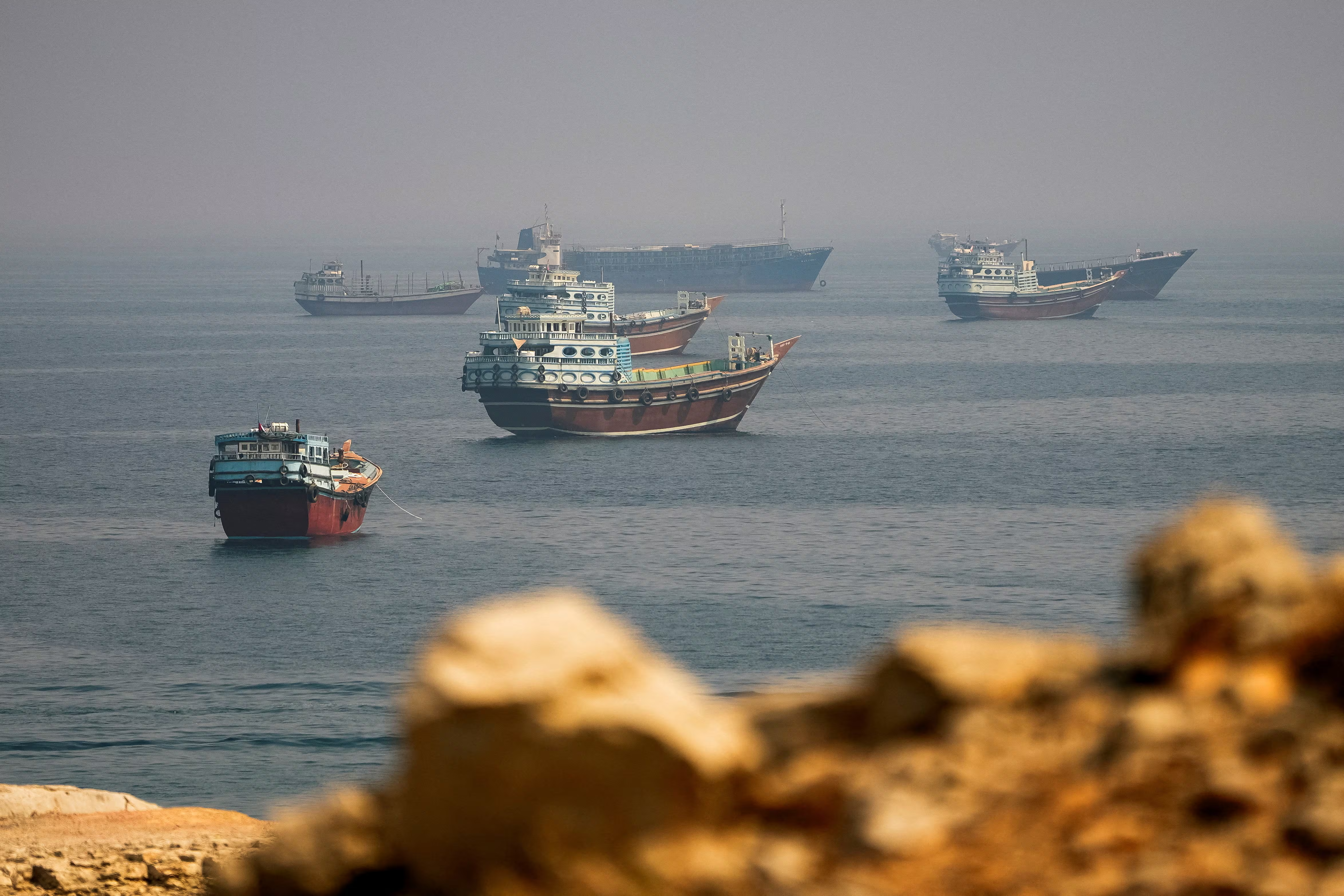
American forces carried out a new wave of strikes against Islamic Revolutionary Guard Corps sites in southern Iran, hitting air-defense positions, radar installations and vessels believed to be involved in mine-laying near the Strait of Hormuz. The Pentagon's regional command said the operation was launched in direct response to attempted Iranian attacks on commercial shipping and on American service members stationed in the Middle East. Explosions were reported in port cities along Iran's southern coast, and separate strikes reportedly damaged tankers transiting the strait, though the source of those attacks was not immediately confirmed.
The escalation follows a pattern that has defined the region since February, when a coordinated American and Israeli bombing campaign killed Iran's supreme leader and triggered a broader war. A ceasefire announced in the spring never fully held, and talks over a formal peace framework begun in June have made little visible progress. Tehran's government signaled through state media that it views the latest strikes as an act it intends to answer, raising the possibility of another round of retaliation against US assets or shipping in the days ahead.
Why it matters
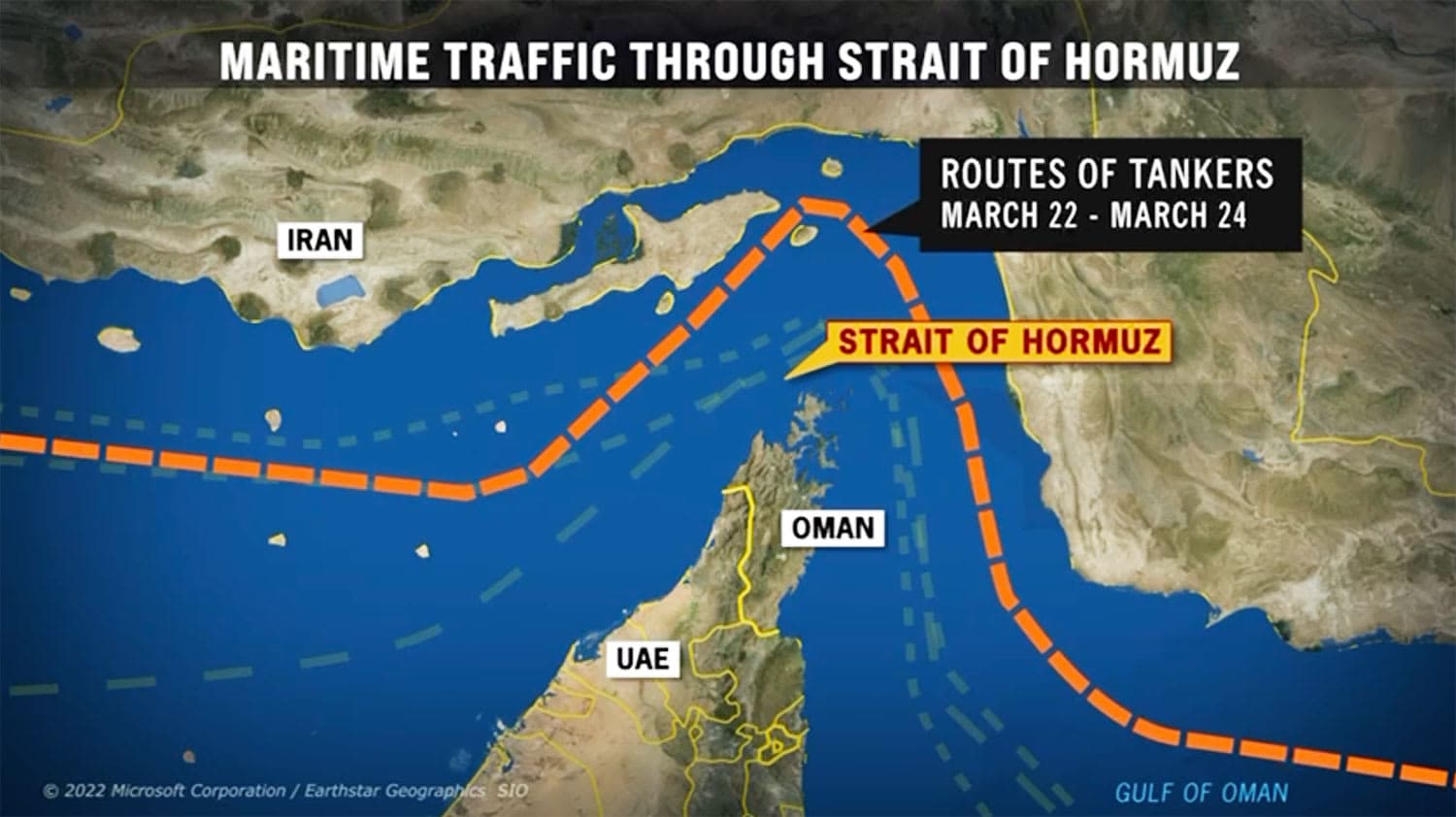
The Strait of Hormuz carries a substantial share of the world's seaborne oil trade, and any sustained disruption there ripples quickly into gas prices at home. That connection has turned a distant military campaign into a domestic political problem, with the administration scheduling meetings with refining executives this week in an effort to keep fuel costs from becoming a drag on Republican candidates heading into the midterms.
For Congress, the renewed strikes revive long-simmering questions about war powers and oversight, since the conflict has now run for more than six months without a formal congressional authorization. Lawmakers from both parties have pressed the administration for clearer benchmarks on how and when the fighting might end, particularly as the human and financial costs continue to climb.
Evidence and context
Independent maritime risk trackers reported that at least two oil tankers, flagged to different countries, were struck while leaving the Persian Gulf, underscoring how commercial vessels have been drawn into a conflict that officials on both sides describe as calibrated rather than open-ended. Analysts note that neither Washington nor Tehran appears to be pursuing full-scale war, but the strategic value of the strait means the situation remains highly sensitive to miscalculation.
Energy officials pointed to record volumes of oil still moving through the strait this week, arguing that the passage remains functionally open despite the fighting. Critics counter that the figures obscure the risk premium now built into shipping and insurance costs, which are already being passed on to consumers.
A shipping lane that carries a fifth of the world's oil is no longer a backdrop to this conflict — it is the battlefield itself.
— Priya Shah
The people and places affected
Residents of southern Iranian coastal towns near the strikes described damage to infrastructure and reported casualties among civilians, though these accounts have not been independently verified by US officials. Crews aboard commercial vessels transiting the Gulf face growing uncertainty about insurance coverage and safe routing, prompting some shipping firms to reroute around the region entirely at added cost.
In the United States, American troops stationed at bases across the Middle East remain on heightened alert, and military families have voiced concern over the open-ended nature of the deployment. Neighboring Gulf states, wary of being drawn into the fighting, have called for de-escalation while continuing to host American forces.
The open questions
The central uncertainty is whether either side will pursue further escalation or return to the negotiating table. Diplomats involved in the stalled talks say a durable deal remains technically possible but politically difficult, given hardened positions on both sides since the spring ceasefire collapsed.
A second question concerns oil markets: how long global supply chains can absorb the added risk before prices spike meaningfully, and what that would mean for a White House already facing pressure over the cost of living heading into the midterms.
What comes next
Military officials have warned that further Iranian retaliation is likely, and Central Command has signaled it is prepared to respond to any new attacks on shipping or American personnel. Diplomatic channels remain technically open, though no new round of talks has been scheduled.
For now, the conflict's trajectory will likely be shaped as much by oil markets and domestic politics as by events on the ground. Melonpost will continue tracking developments in the strait, along with their effect on fuel prices and the administration's midterm positioning.
Sarah Mitchell
Sarah Mitchell covers science, technology and health, with a focus on artificial intelligence, medical research and digital policy. She explains emerging ideas and the questions they raise for everyday life.
More from Sarah