Bitcoin Slips Below $78K as Rate-Hike Bets Grow
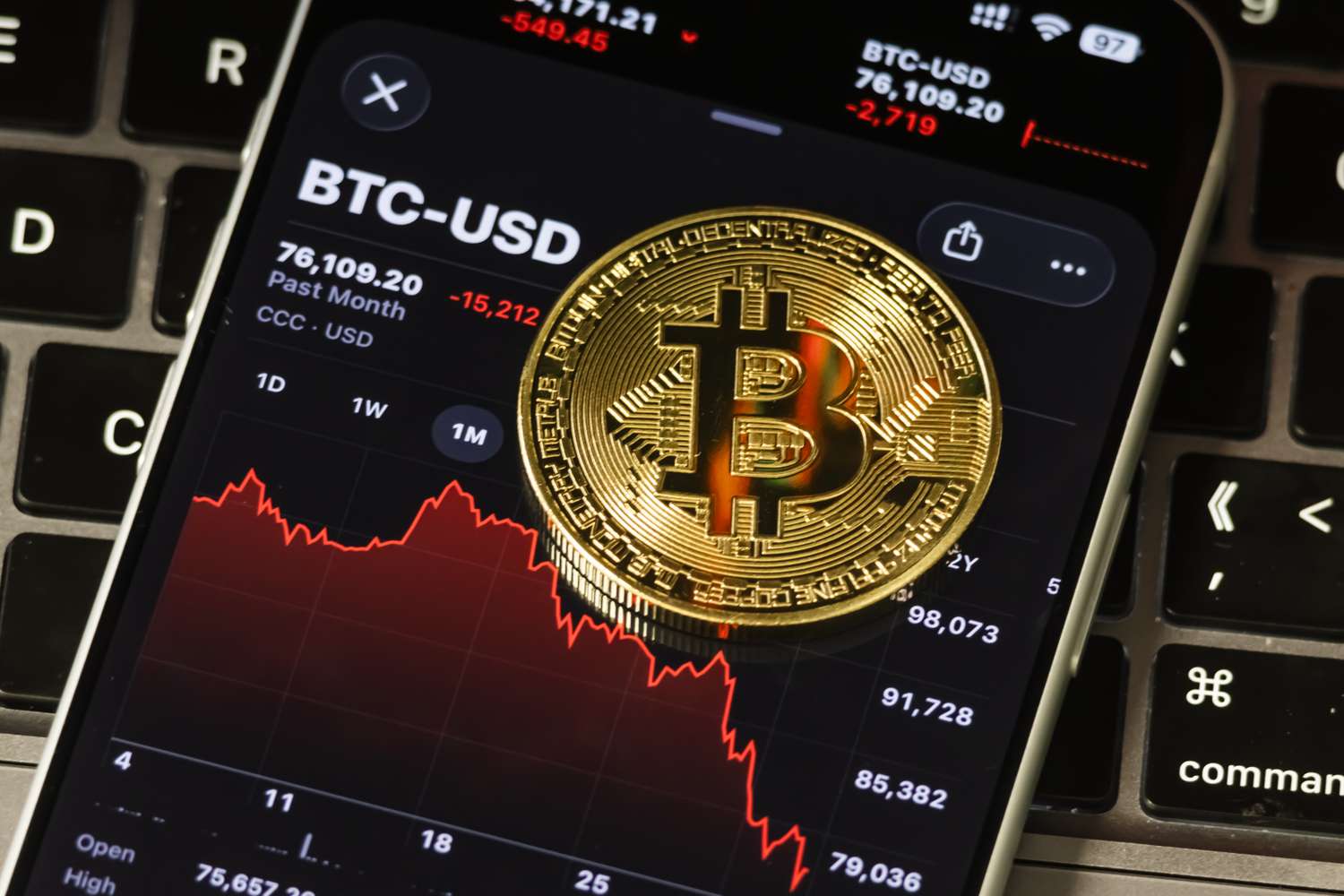
Bitcoin falls below $78,000 as growing bets on a Federal Reserve rate hike this month weigh on crypto prices alongside gold and other risk assets.

Key takeaways
- Bitcoin fell below $78,000 this week as traders priced in a growing chance the Federal Reserve raises rates rather than cuts them at its meeting later this month.
- The CME Group's FedWatch tool showed a 66.4% probability of a rate hike, a sharp reversal from just a week earlier when markets favored no change.
- Despite the pullback, bitcoin remains well above its lows for the year, with analysts noting large whale accumulation even as short-term sentiment sours.
What happened
Bitcoin slipped below $78,000 this week, extending a pullback from its recent highs as growing expectations for a Federal Reserve interest rate hike weighed on cryptocurrency prices. The digital currency opened the week around $78,559 before drifting lower through the morning session.
Ethereum followed a similar pattern, opening higher before edging down to around $2,454. The declines came alongside similar pullbacks in gold and silver, as all three assets gave back early gains once rate-hike expectations firmed up.
Why it matters
The shift in rate expectations marks a notable reversal from just a week earlier, when markets had priced in a roughly 60% chance the Fed would hold rates steady. Higher rates tend to weigh on assets like bitcoin and gold that don't generate yield, since investors can earn more from interest-bearing alternatives.
The move highlights how closely crypto markets are now tracking traditional macroeconomic signals, a shift from earlier years when digital assets often moved independently of broader monetary policy expectations.

Evidence and context
According to the CME Group's FedWatch tool, the probability of a 25 basis point rate hike this month stood at 66.4%, compared with a 33.6% chance the Fed leaves rates unchanged, a dramatic shift from the prior week's estimates favoring no change.
Despite the near-term pressure, some analysts point to longer-term technical signals as reasons for optimism. Bitcoin's recent break above its 50-week moving average has, in four of the past five completed crypto bear markets, marked the final bottom before a sustained recovery, according to research from Galaxy Digital. Separately, on-chain data showed large holders, or whales, accumulating roughly 39,000 bitcoin over the past week.
The next test is whether Bitcoin can remain above the average on a weekly closing basis.
— Mostafa Al-Mashita, co-founder of Secure Digital Markets
The people and places affected
Retail and institutional crypto investors alike are navigating the shift in sentiment, with crypto-linked exchange-traded funds recording a notable outflow in recent days after a nine-day streak of inflows, according to fund-flow data cited by market analysts.
Solana, another widely held cryptocurrency, traded around $100 during the same period, reflecting a broader pullback across the digital asset market rather than a decline isolated to bitcoin and ethereum alone.
The open questions
The central question for traders is whether bitcoin can hold above key support levels in the $70,000 range if rate-hike expectations continue to build, or whether a break below that band could trigger a deeper correction.
It also remains uncertain how much further the shift in Fed policy expectations, driven largely by inflation concerns tied to the Middle East conflict, could evolve before the central bank's meeting later this month.
What comes next
Crypto markets are expected to remain highly sensitive to incoming economic data in the days ahead, particularly employment and inflation figures that could sway the Fed's rate decision one way or the other.
Traders will also be watching whether whale accumulation continues even as prices soften, a pattern some analysts view as a sign of underlying confidence despite the current bout of volatility.
Olivia Brooks
Olivia Brooks covers the economy, financial markets and the changing world of work. She explains what shifts in prices, borrowing costs and business activity mean for households.
More from Olivia