Gold Pulls Back From Highs as Rate-Hike Odds Rise
Gold retreats from a two-week high as hawkish comments from Fed Chair Kevin Warsh and rising oil prices strengthen bets on a rate hike this month.
Key takeaways
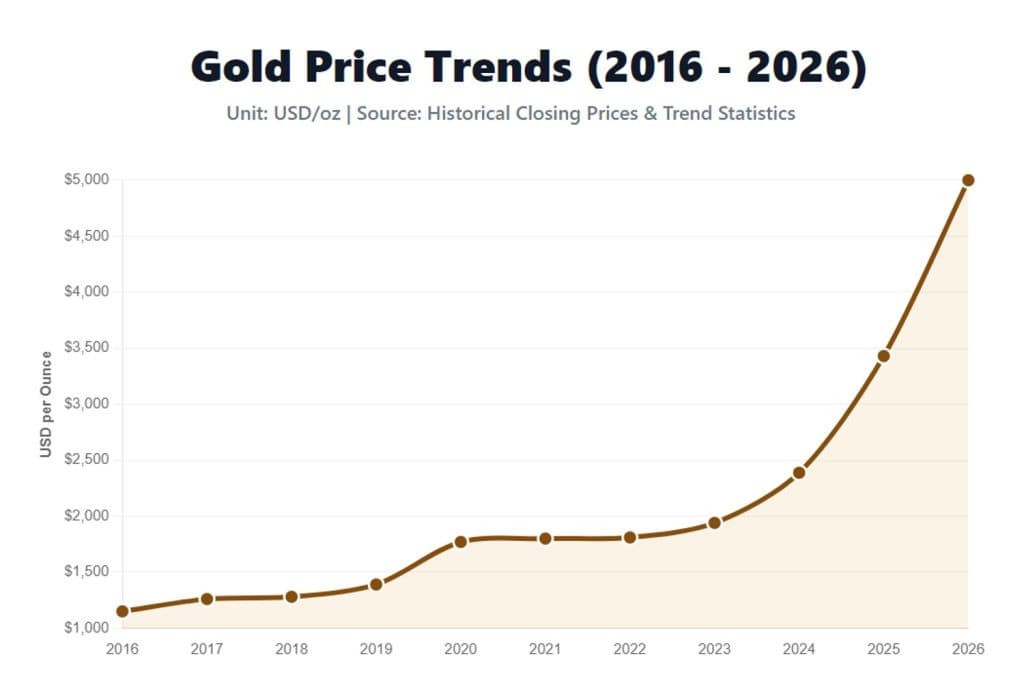
- Gold fell toward $4,360 an ounce, its steepest one-day drop since a selloff around the Jackson Hole conference, as rate-hike expectations firmed.
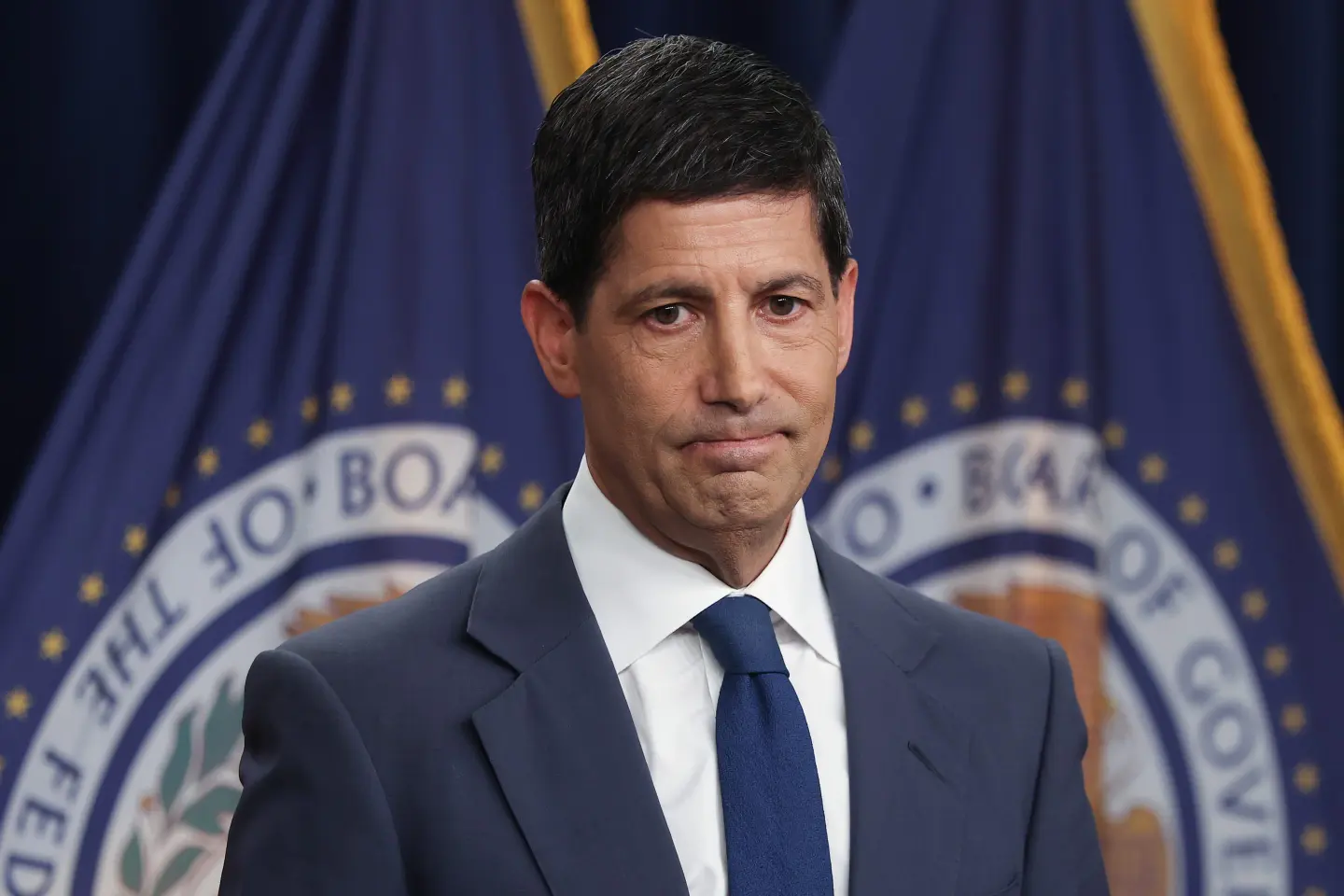
- Fed Chair Kevin Warsh said the central bank has 'work to do' on inflation, comments that pushed traders to price in a growing chance of a rate increase.
- Despite the pullback, gold remains up roughly 23% over the past year, supported by safe-haven demand tied to the ongoing Middle East conflict and a weaker dollar.
What happened
Gold prices retreated sharply this week, falling toward $4,360 an ounce and marking their steepest one-day decline since a selloff tied to the Federal Reserve's Jackson Hole conference. The pullback came as hawkish remarks from Fed Chair Kevin Warsh, who said the central bank still has work to do on controlling inflation, strengthened expectations for a rate hike later this month.
Silver fell in tandem, dropping more than 2.5% to around $64.76 an ounce, as both precious metals gave back some of their sharp gains from earlier in the summer.
Why it matters
The reversal underscores how sensitive precious metals remain to shifting interest-rate expectations, since gold and silver don't pay interest and become relatively less attractive to investors when rates rise. The prospect of a hike, rather than the rate cuts many investors had anticipated earlier in the year, marks a notable shift in the market narrative.
The move also reflects the broader economic strain from the ongoing conflict near the Strait of Hormuz, where renewed attacks have pushed oil prices higher and stoked inflation concerns that are now feeding directly into central bank policy expectations.
Evidence and context
Even with the pullback, gold remains up more than 23% compared with a year ago and has posted its strongest monthly gain since January, a rally driven in part by the U.S. Treasury's decision to double liquidity-support buybacks of longer-dated bonds, a move that stoked concerns among investors about currency debasement.
According to the CME Group's FedWatch tool, the probability of a rate hike this month climbed to 66.4%, up sharply from the roughly 40% odds priced in just a week earlier, illustrating how quickly sentiment has shifted following Warsh's comments and the renewed fighting in the Middle East.
Work to do.
— Federal Reserve Chair Kevin Warsh, on the central bank's inflation fight
The people and places affected
Retail investors who have flocked to gold as an inflation hedge and portfolio diversifier over the past two years are now facing a sharper two-way market, with the metal's rapid ascent this year giving way to more volatile swings tied to shifting rate expectations.
Central banks, which have been significant buyers of gold in recent years as part of efforts to diversify reserves away from the dollar, remain a key source of underlying demand even as short-term trading activity reflects the current rate debate.
The open questions
The main uncertainty is whether the Fed ultimately follows through with a rate hike, an outcome that would mark a sharp reversal after a series of cuts last year, or whether incoming economic data softens enough to keep rates on hold.
It also remains to be seen how much further oil prices and inflation expectations could rise if the Strait of Hormuz standoff continues to escalate, a dynamic that could keep gold both supported by safe-haven demand and pressured by rate expectations at the same time.
What comes next
Markets will be watching this week's ADP employment report and Friday's nonfarm payrolls data closely for further clues on the Fed's policy path ahead of its meeting later this month.
Gold traders will also continue monitoring developments in the Middle East conflict, given how directly the situation there has been shaping both inflation expectations and safe-haven demand for the metal in recent weeks.
Olivia Brooks
Olivia Brooks covers the economy, financial markets and the changing world of work. She explains what shifts in prices, borrowing costs and business activity mean for households.
More from Olivia